Texas producers lose significant money every breeding season when high-quality semen from certified labs loses viability between the tank and the cow. Even semen that passes strict CSS testing can deliver lower conception rates if field handling is inconsistent. This gap between laboratory certification and on-ranch execution affects both commercial beef operations and high-value deer and rodeo programs.
This article explains exactly how Champion Genetics customers and Texas AI technicians verify semen quality from collection to insemination — and why many now use a standardized field protocol to protect their results.
Champion Genetics: Trusted local partner for Texas producers
Champion Genetics, based in Canton, Texas, was founded in 2006 by Craig Barton and Bob Woodard, both former Select Sires professionals. The company acquired the custom semen division of COBA/Select Sires and opened its current facility in 2007. It remains family-owned under Craig Barton.
The operation includes a modern facility with capacity for more than 4.2 million straws, hydraulic chutes for all cattle breeds including Longhorns and rodeo stock, an embryo transfer laboratory, and dedicated housing for CSS-certified collections.
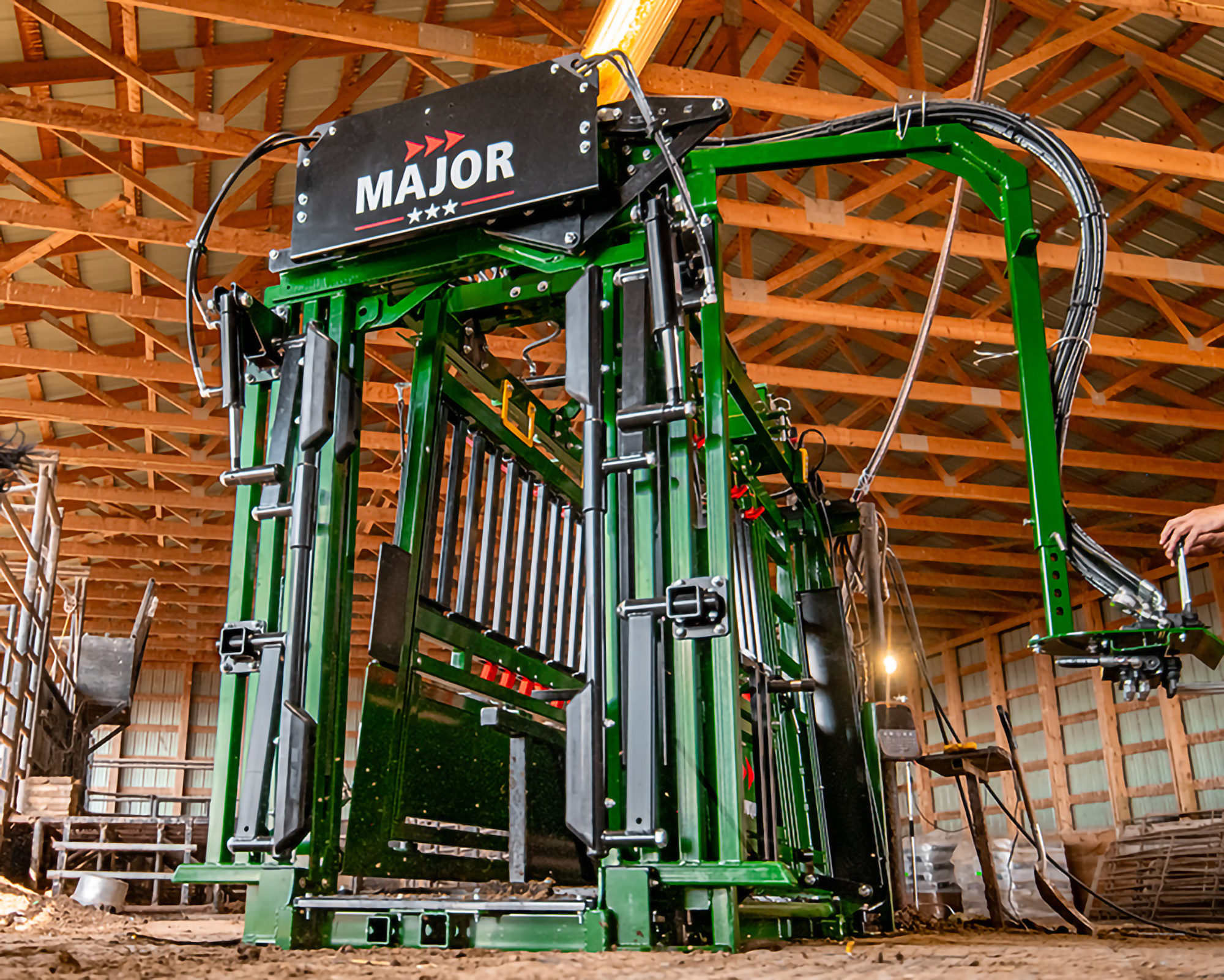
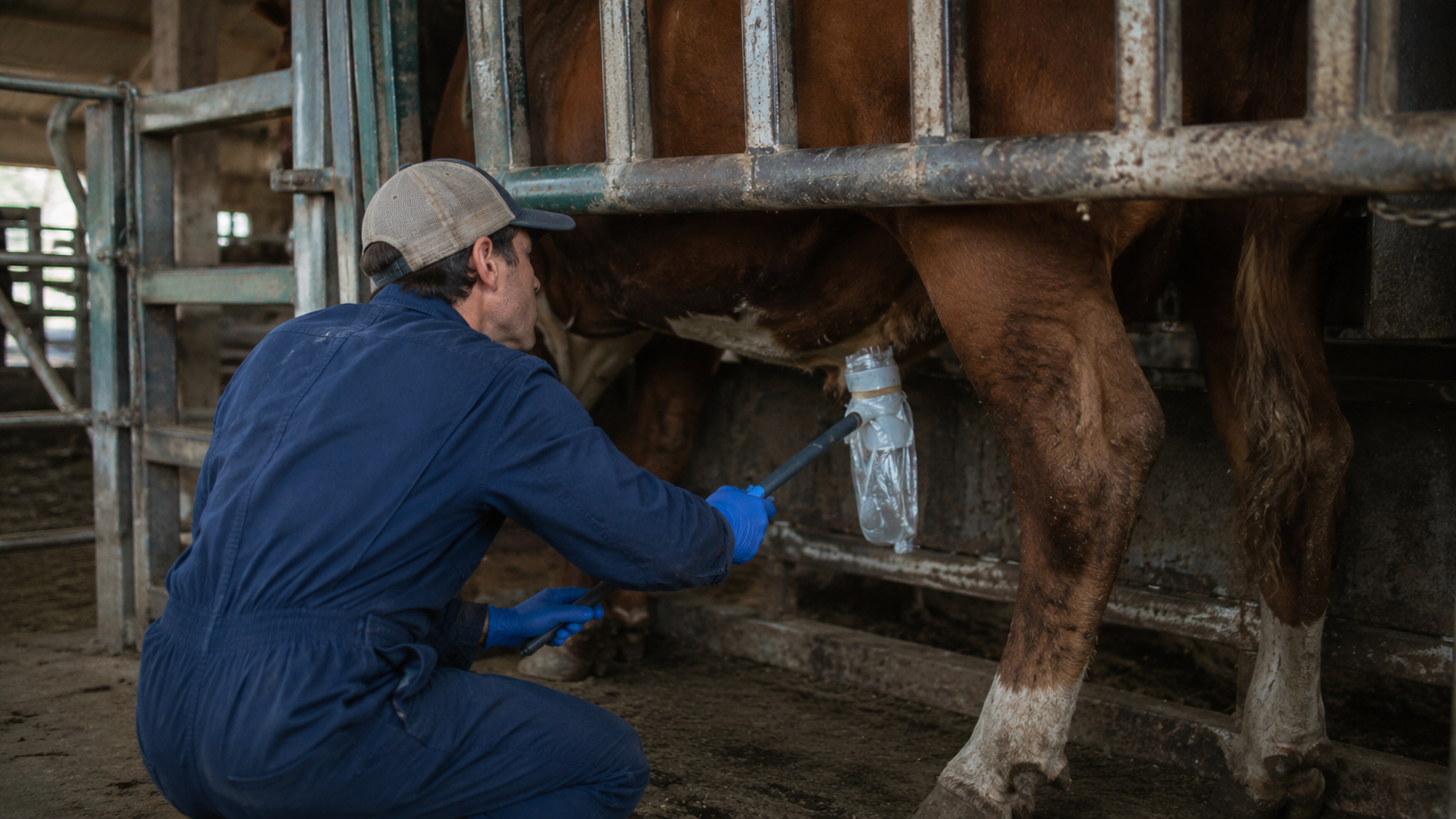
Champion provides on-farm or facility collection, processing, storage, shipping, AI and ET services, and an AI training school in partnership with Texas A&M AgriLife Extension.
Customers include beef producers, white-tailed deer breeders, and rodeo stock owners. Approximately one-third of collections are from deer bucks, supported by Texas’s large deer breeding industry. Another significant portion comes from high-value rodeo and performance bulls. Many commercial producers work through certified AI technicians who source semen from Champion.
Laboratory verification at Champion Genetics
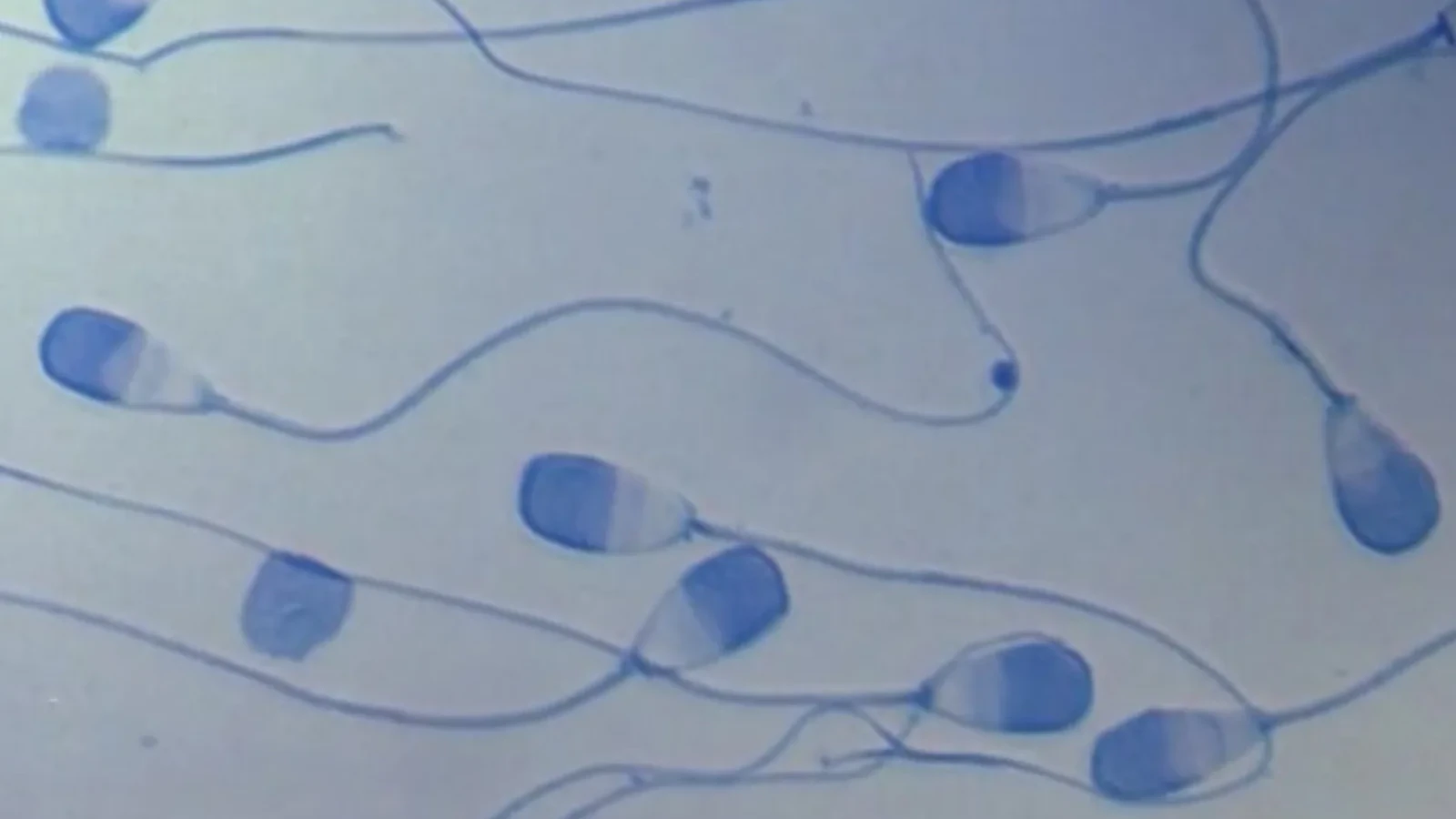
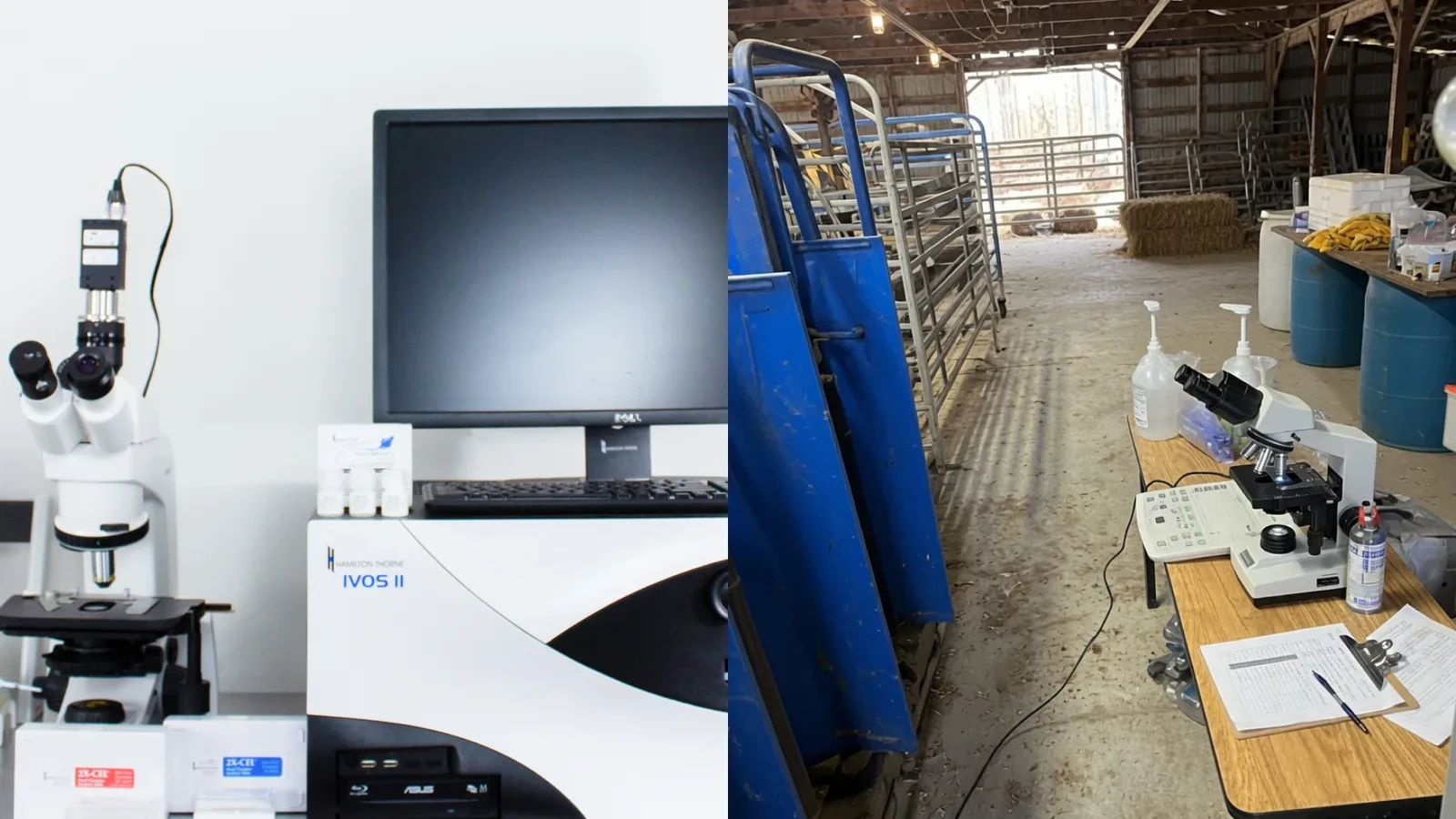
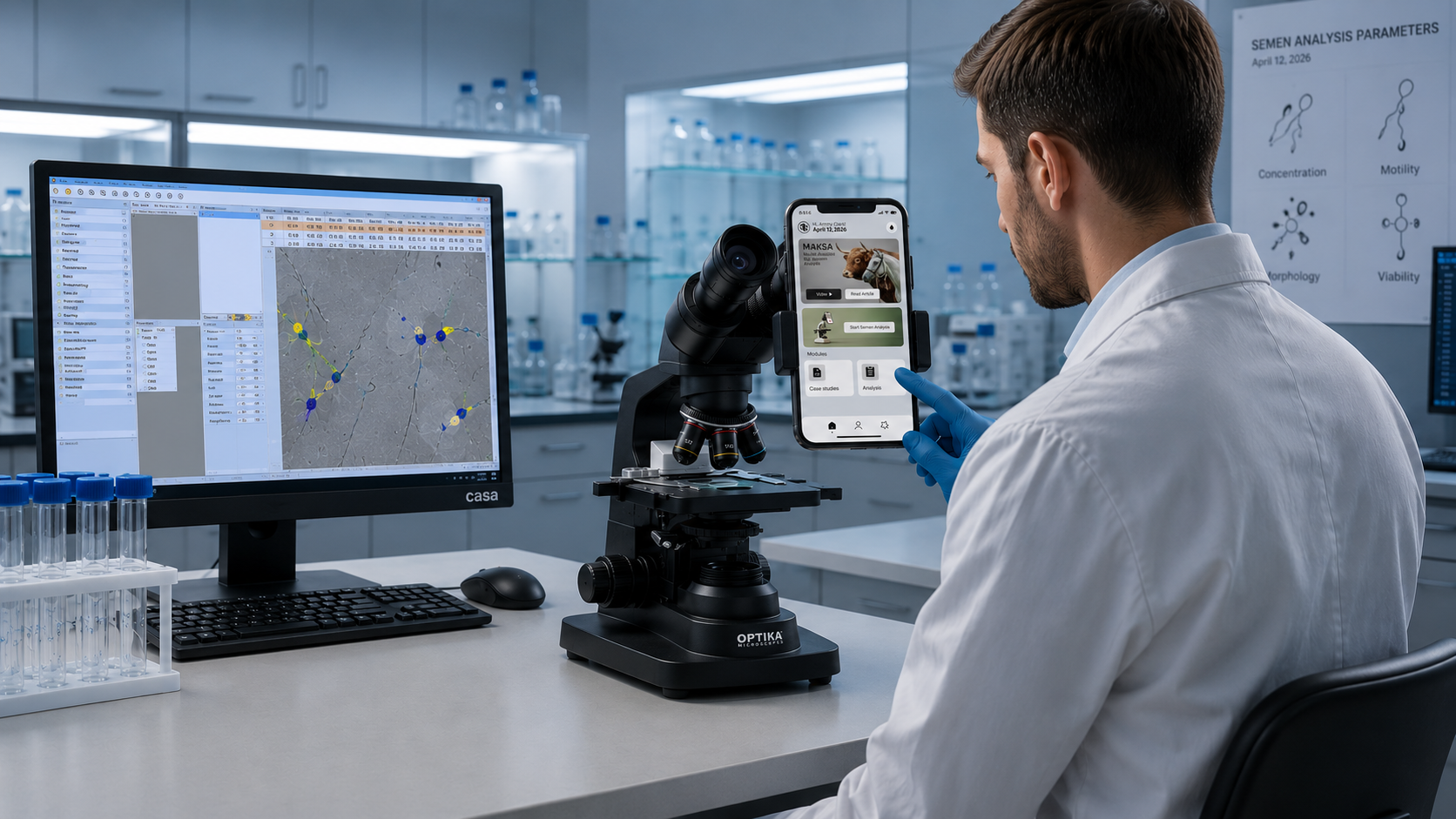
Champion follows NAAB/CSS protocols for every collection. After collection, technicians assess volume, color, and consistency, then evaluate the sample under a microscope for concentration, motility, and morphology. An extender with egg yolk and glycerol is added to protect sperm during freezing.
Collections that meet internal standards proceed to straw filling and controlled freezing in liquid nitrogen. Champion performs additional post-thaw quality assurance on every batch, including post-thaw motility, incubated motility, and morphology. Only semen meeting these standards is released or stored.

For international or resale semen, full CSS certification applies. This requires extended bull quarantine and testing for tuberculosis, brucellosis, leptospirosis, BVDV, trichomoniasis, and other pathogens, along with strict identification and record-keeping. Texas regulations require a negative trichomoniasis PCR test within 60 days for breeding bulls entering the state, with exemptions for qualifying CSS-certified movements.
Field verification by Texas AI technicians
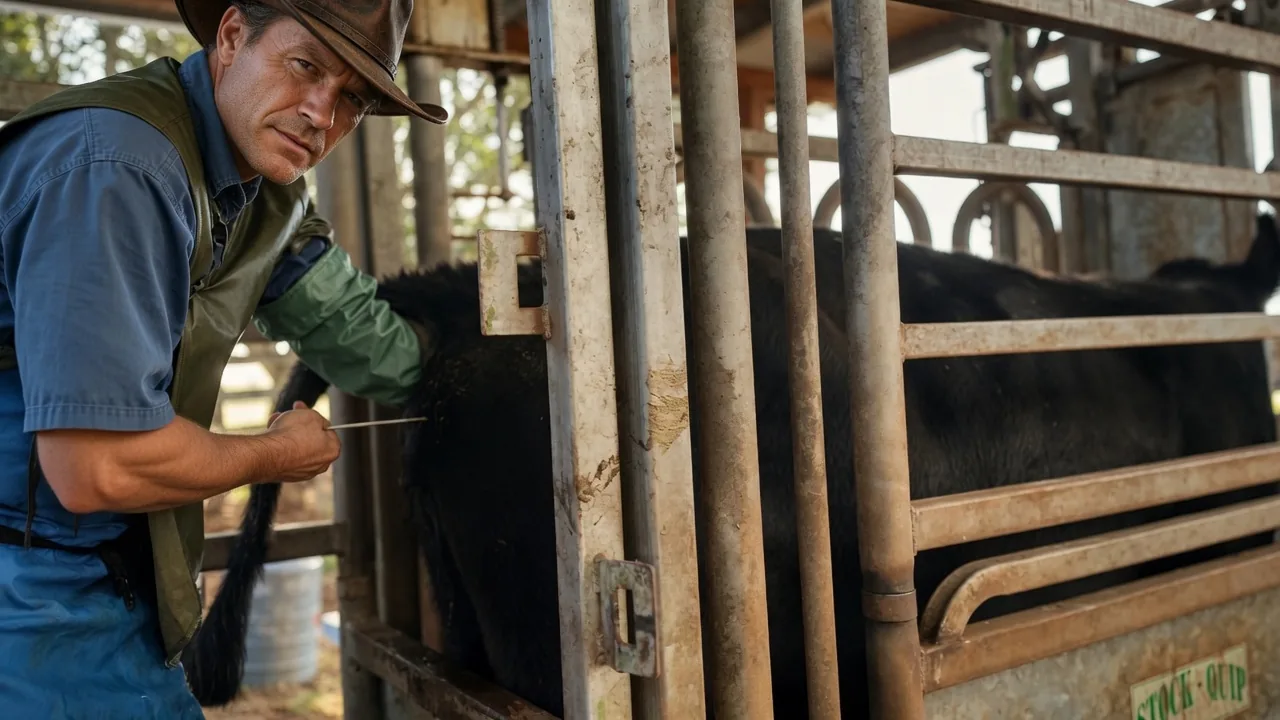
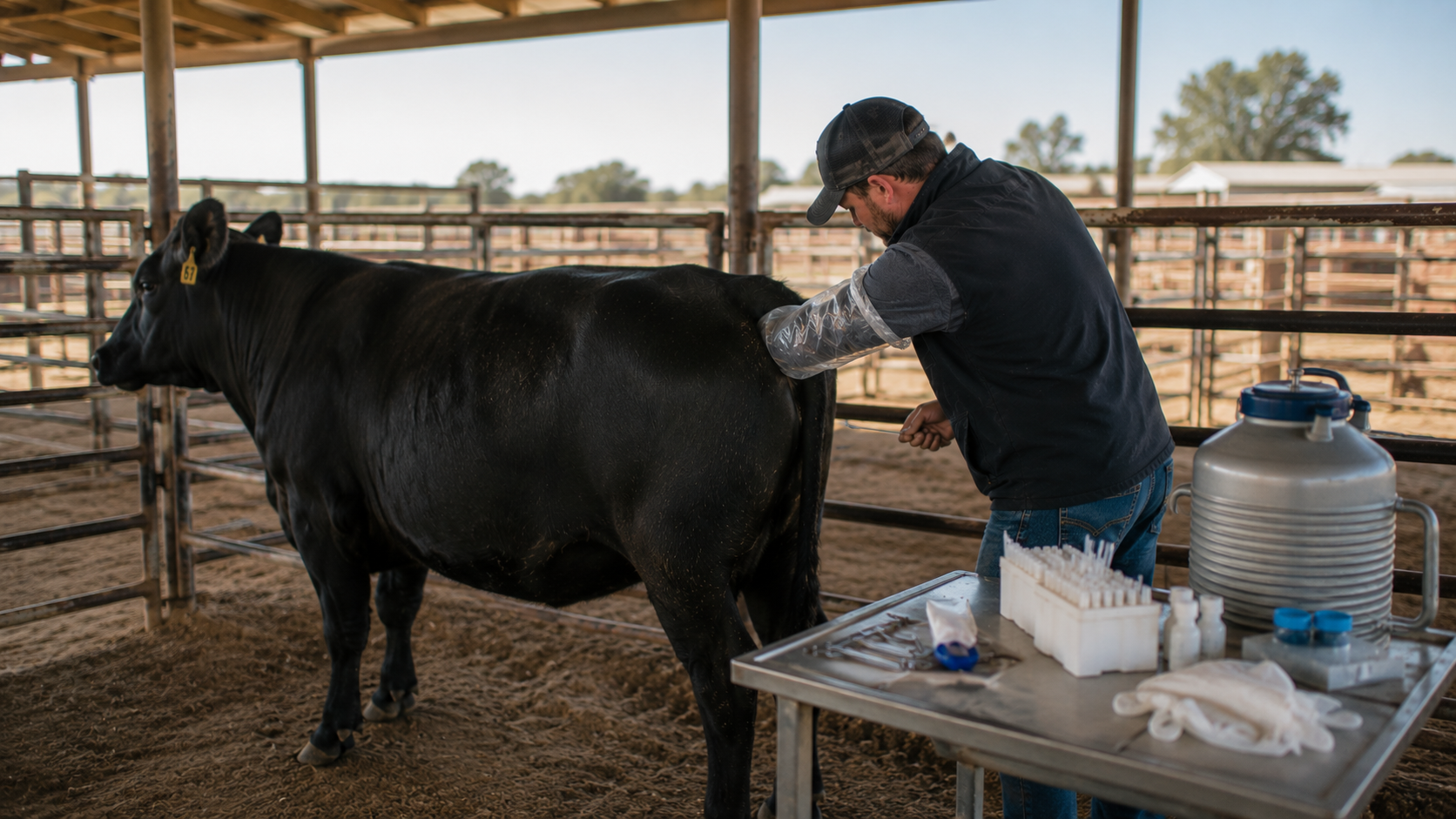
Once frozen semen arrives on the ranch, the responsibility shifts to the AI technician. Champion-trained technicians and graduates of the company’s AI School follow a consistent sequence to maintain viability.
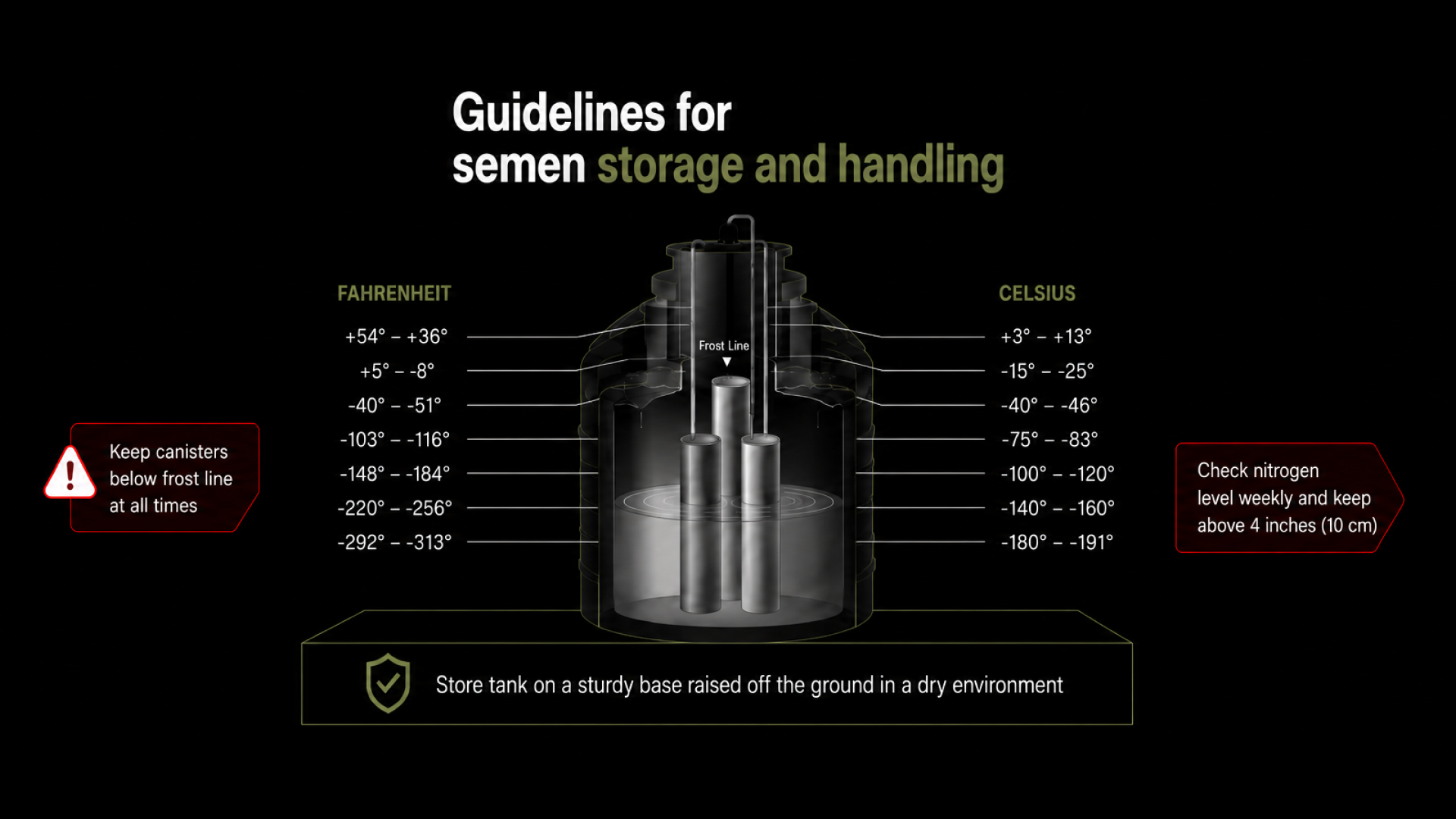
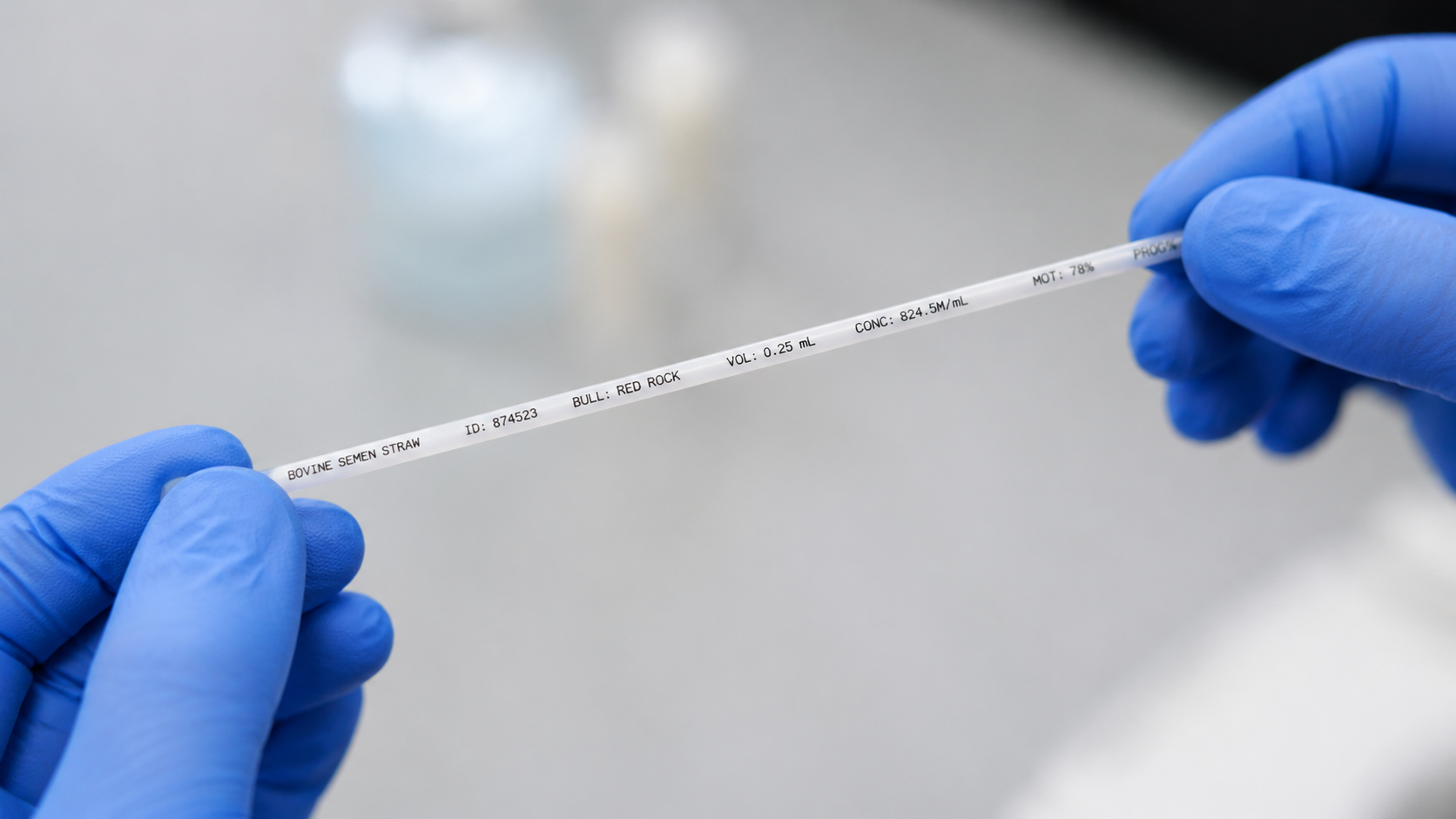
The standard thaw uses a 94–98°F (35–37°C) water bath for approximately 35 seconds. Technicians dry the straw, load it into a pre-warmed AI gun, and complete insemination within 15 minutes. They avoid thermal shock by keeping unused straws below the frost line and thawing only the number needed immediately.
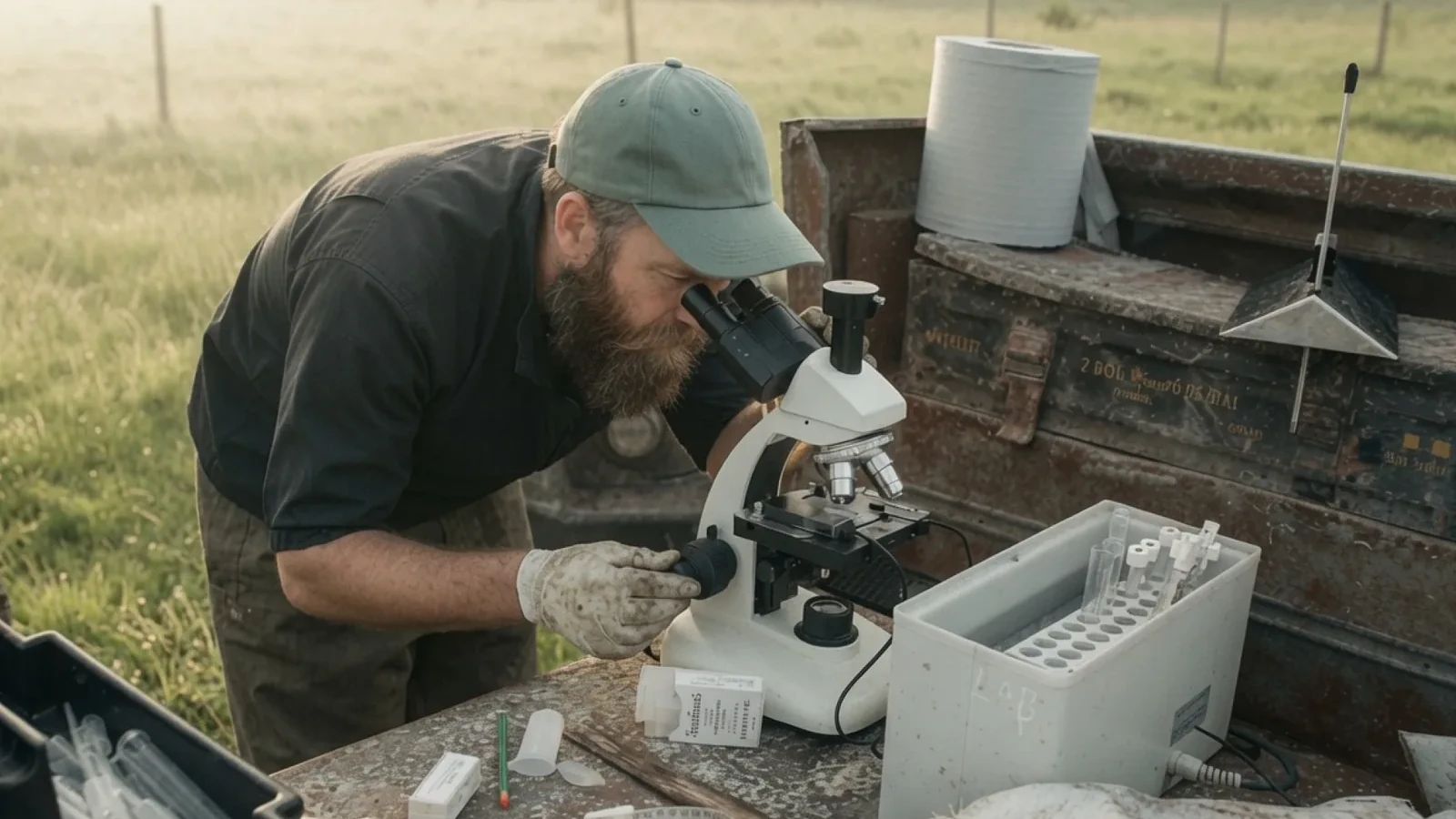
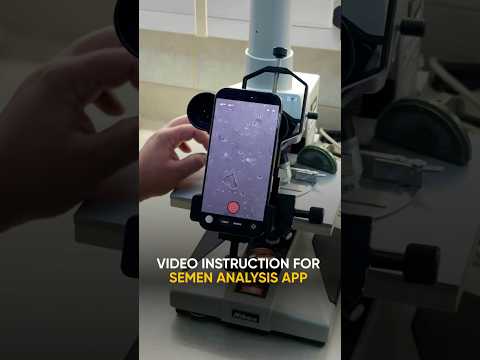
Many technicians perform a quick motility check under a portable microscope on the first thawed straw before proceeding with the session. This on-the-spot verification helps identify any issues caused by shipping or tank handling. Proper hygiene, correct placement in the uterine body, and accurate timing relative to heat detection complete the process.
Even with strong laboratory standards, field execution can vary. Many technicians now use a simple, standardized reference to ensure nothing is missed during these critical minutes on the ranch.
Field Semen Evaluation Protocol Checklist
To standardize the process and reduce variability, technicians across Texas and other markets use the Field Semen Evaluation Protocol Checklist. It covers the exact sequence used in real field conditions: pre-check of equipment and temperature, visual assessment of the thawed straw, and MAKSA evaluation steps for motility and viability.
The checklist is designed as a one-page laminated format that fits in any AI kit and takes less than two minutes to complete. It gives technicians an objective record before every breeding session.
Download the Field Semen Evaluation Protocol Checklist used by 1,000+ field technicians in 10 countries.
Common field mistakes that reduce conception rates
Technicians and producers report that most AI failures stem from handling issues rather than the semen itself. Frequent mistakes include:
- Thawing too many straws at once
- Allowing straw temperature to rise above 98°F during handling
- Skipping the quick motility check on the first straw
- Delaying insemination more than 15 minutes after thawing
- Poor tank management during transport or on the ranch
These errors can irreversibly damage sperm even when the semen left the lab in excellent condition. A standardized checklist helps prevent these issues on every breeding.
How Champion Genetics customers benefit from combined lab and field standards
Producers who source semen from Champion Genetics already receive laboratory-grade quality and local Texas support. Adding a consistent field protocol further protects that investment. Long-term customers, such as Bill Grace of Mustang Creek Ranch, have relied on Champion for deer buck collections for years and credit professional collection combined with disciplined field handling for reliable genetic progress.
Commercial cow-calf and rodeo operations see similar results: when both the laboratory and the field follow clear protocols, conception rates become more predictable and the return on genetics improves.
Protect every straw you paid for
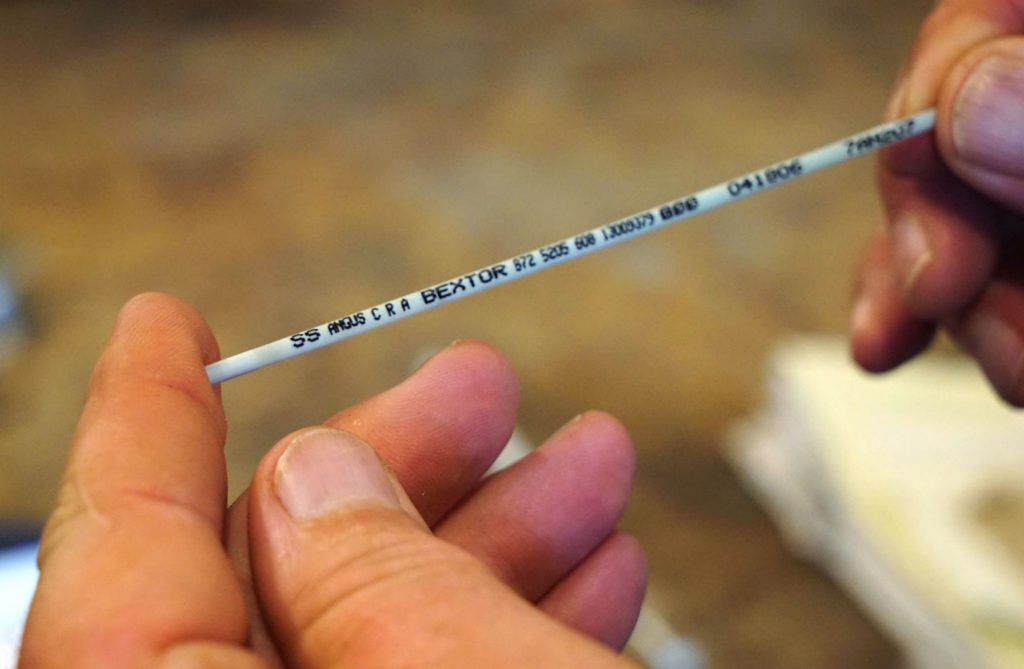
Semen quality verification does not stop when the straw leaves the liquid nitrogen tank. Champion Genetics maintains rigorous laboratory standards. Texas AI technicians who work with Champion demonstrate that consistent results also require disciplined field processes.
Technicians and producers who want to standardize their on-ranch verification can use the same practical tool relied on by thousands of professionals.
Download the Field Semen Evaluation Protocol Checklist used by 1,000+ field technicians in 10 countries.
This one-page laminated checklist covers pre-check, visual assessment, and MAKSA evaluation steps. It is ready for immediate use in the field and helps protect the genetics you have already invested in.