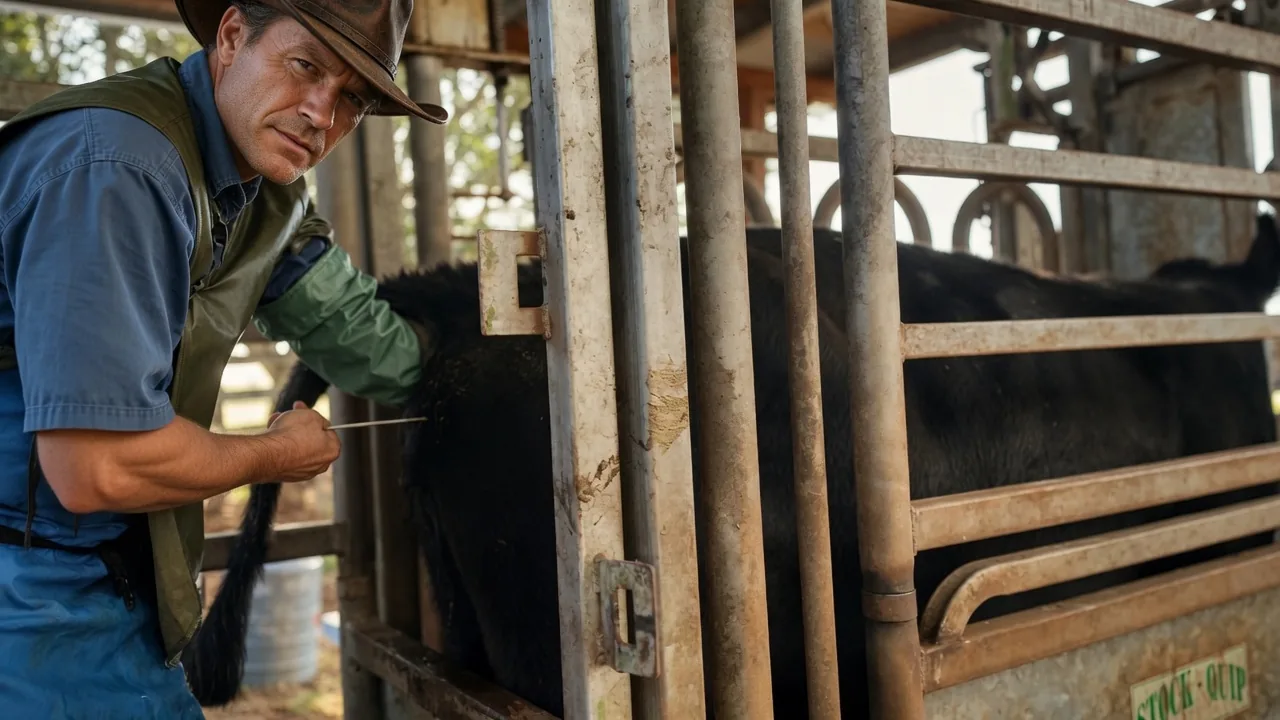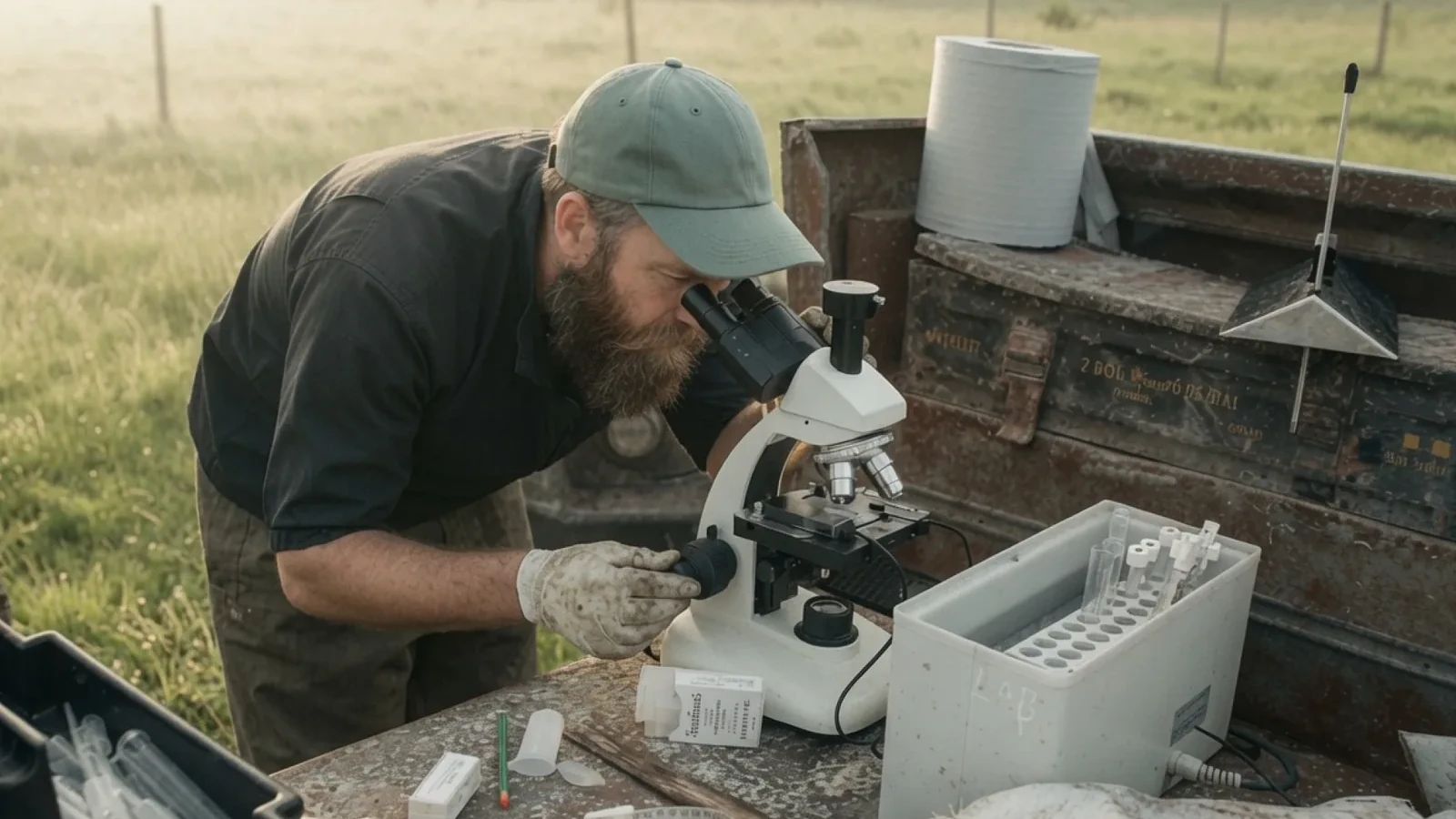
You did everything right. You bought good semen. You ran the protocol. And the cows still came up open. Most of the time, the problem is not the cow and not the bull. It is one small mistake in handling or timing. Here are the ten that cost you the most, and how to fix each one.
Why this matters
Artificial insemination works. In dairy herds across Europe and North America, more than 80% of cows are bred by AI. It spreads top genetics and skips the risk of keeping a bull.
But AI is not simple. Every step has to be right. Get the semen too hot. Wait too long after thawing. Breed at the wrong hour. Any one of these can drop your conception rate, and you will not know why until pregnancy check.
Here is the hard part. Each mistake on its own seems small. A few degrees. A few minutes. The wrong straw pulled too high in the tank. But these small things add up, and they hit the same number: how many cows settle.
The good news is that every mistake on this list is fixable. None of them cost money to fix. They cost attention. Let us go through them.
Mistake 1: Thawing semen at the wrong temperature
This is the most common error, and one of the worst.
Frozen semen needs to thaw at the right heat. Too cold and the sperm never wake up fully. Too hot and you cook them. The standard is a water bath at 95°F, which is about 35 to 37°C, for 30 to 45 seconds.
Guessing does not work. Your hand cannot tell 95°F from 105°F. Neither can your pocket. You need a thermometer in the water bath, and you need to check it.
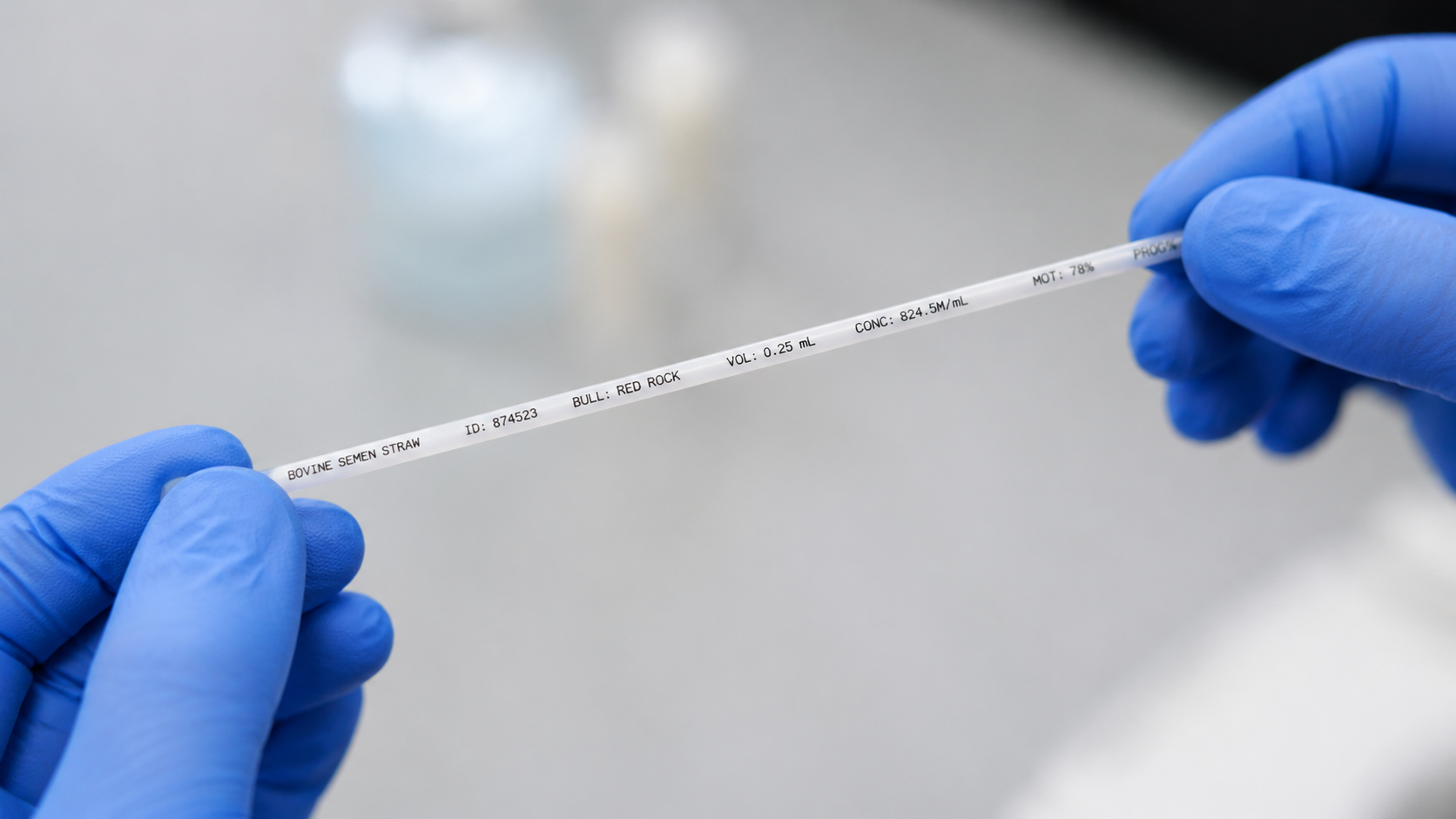
Even done right, only about half the sperm in a straw survive freezing and thawing. That is normal. But the wrong temperature kills even more, and now you are breeding with a half-dead dose.
Fix: Use a real thaw unit with a thermometer. Set it to 95°F. Time it for 30 to 45 seconds. Every straw, every time.
Mistake 2: Thawing too many straws at once
It feels faster to thaw a handful of straws and breed a row of cows. It is not. It is a quiet conception killer.
Research in Hawaii showed it clearly. When techs thawed many straws at once, the cows bred last had lower conception rates than the cows bred first. The semen sitting in the bath, or loaded in a gun, was losing quality by the minute.
Fix: Thaw one straw at a time. Only thaw what you can use in the next 10 to 15 minutes. If you are breeding a big group, thaw as you go, not all at once.
Mistake 3: Waiting too long after thawing
Once a straw is thawed, the clock is running. Thawed sperm are fragile. They need to go into the cow fast.
The window is short. Most experts say to breed within 6 to 15 minutes of thawing. The longer the gap, the fewer live sperm reach the egg. Some studies show conception dropping for the cows bred last when the gap stretched out.
Fix: Have everything ready before you thaw. Gun, sheath, paper towel, gloves, the cow in the chute. Thaw, load, breed. Do not thaw a straw and then go catch the cow.
Mistake 4: Cold shock on the way to the cow
You thawed the straw at the right temperature. Good. Then you carried the loaded gun across a cold yard in winter, and the semen chilled on the walk. That is cold shock, and it damages sperm just like the wrong thaw does.
Water and cold are both lethal to thawed semen. A cold AI gun does the same harm as a cold bath.
Fix: Warm the gun before loading by rubbing it with a paper towel. In cold weather, carry the loaded gun close to your body, under your shirt or jacket, until you reach the cow. Keep it at body temperature the whole way.
Mistake 5: Letting water touch the semen
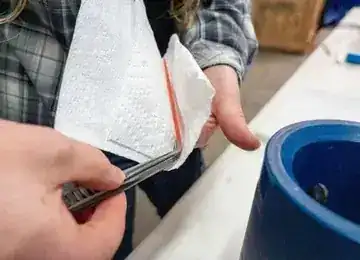
Protecting and drying off the straw with a folded paper towel.
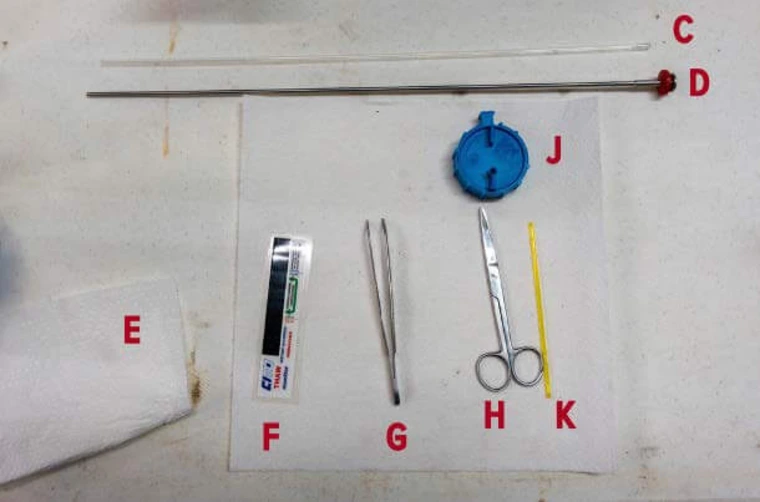
This sounds easy to avoid, but it happens all the time. A drop of water left on the scissors. A wet paper towel. Water clinging to the outside of the straw that gets pulled into the gun when you load it.
Fix: Dry the straw completely after the water bath before you cut it. Keep your tools dry. Never use regular soap near your AI supplies. Use only an approved non-spermicidal lubricant, never a random gel.
Mistake 6: Breeding at the wrong time
Perfect semen, perfect handling, wrong hour. Still an open cow.
Timing is about the cow's heat. The egg is only available for a short window. Breed too early or too late and the sperm and egg never meet. The classic rule is to breed about 12 hours after you first see standing heat. That lines up with when the egg is released.
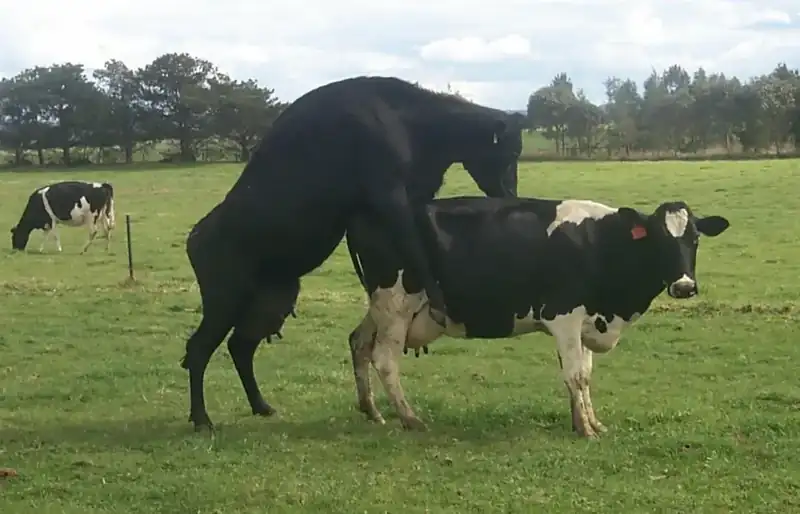
The catch is that every cow is different. Some show strong heat. Some are subtle. If you miss the start of heat, your 12-hour clock is already wrong.
Fix: Watch for heat carefully and write down the time you first see standing heat. Breed about 12 hours later. The better your heat detection, the better your timing. Poor heat detection is one of the biggest hidden causes of failure.
Mistake 7: Pulling the straw from too high in the tank
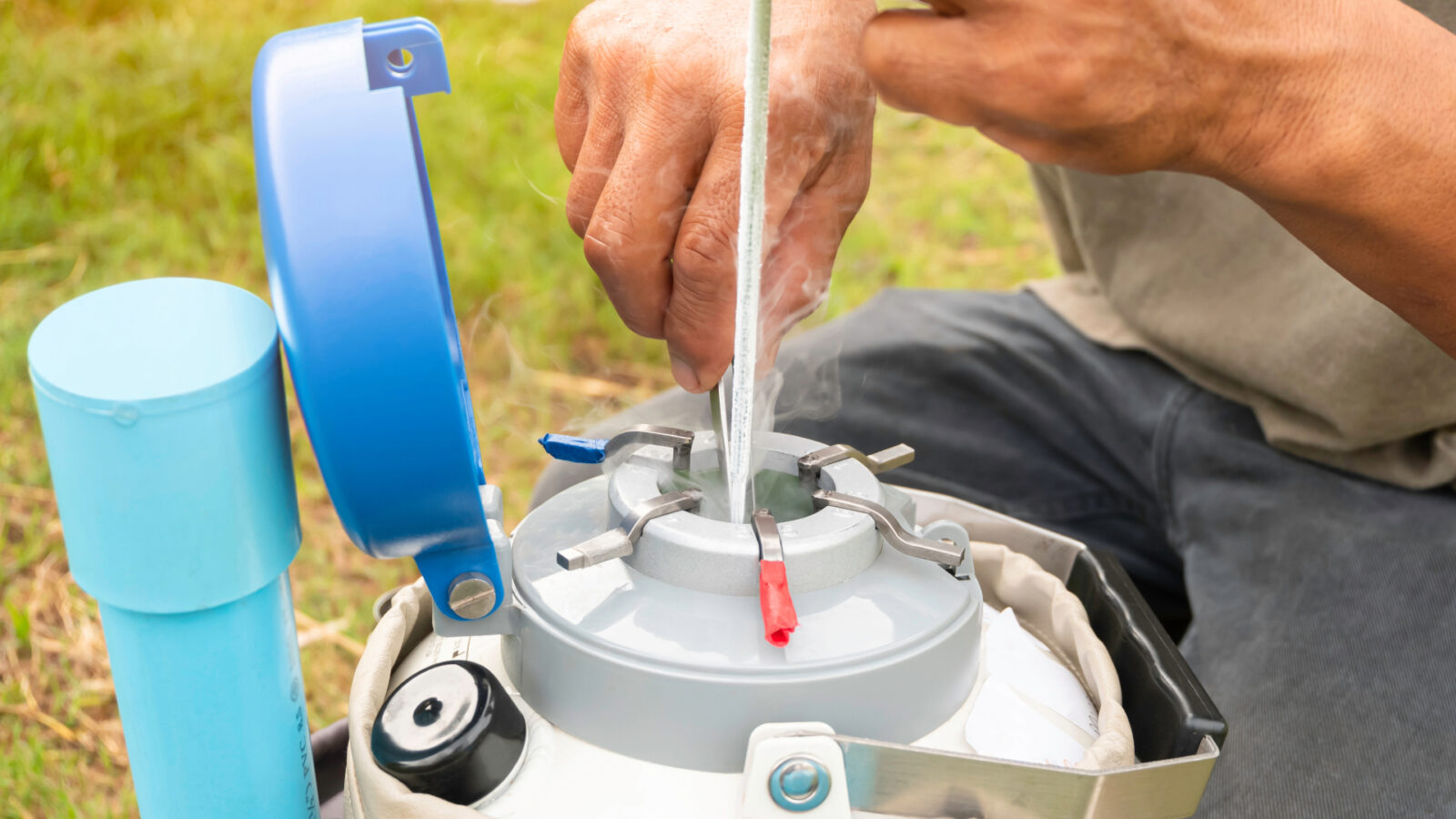
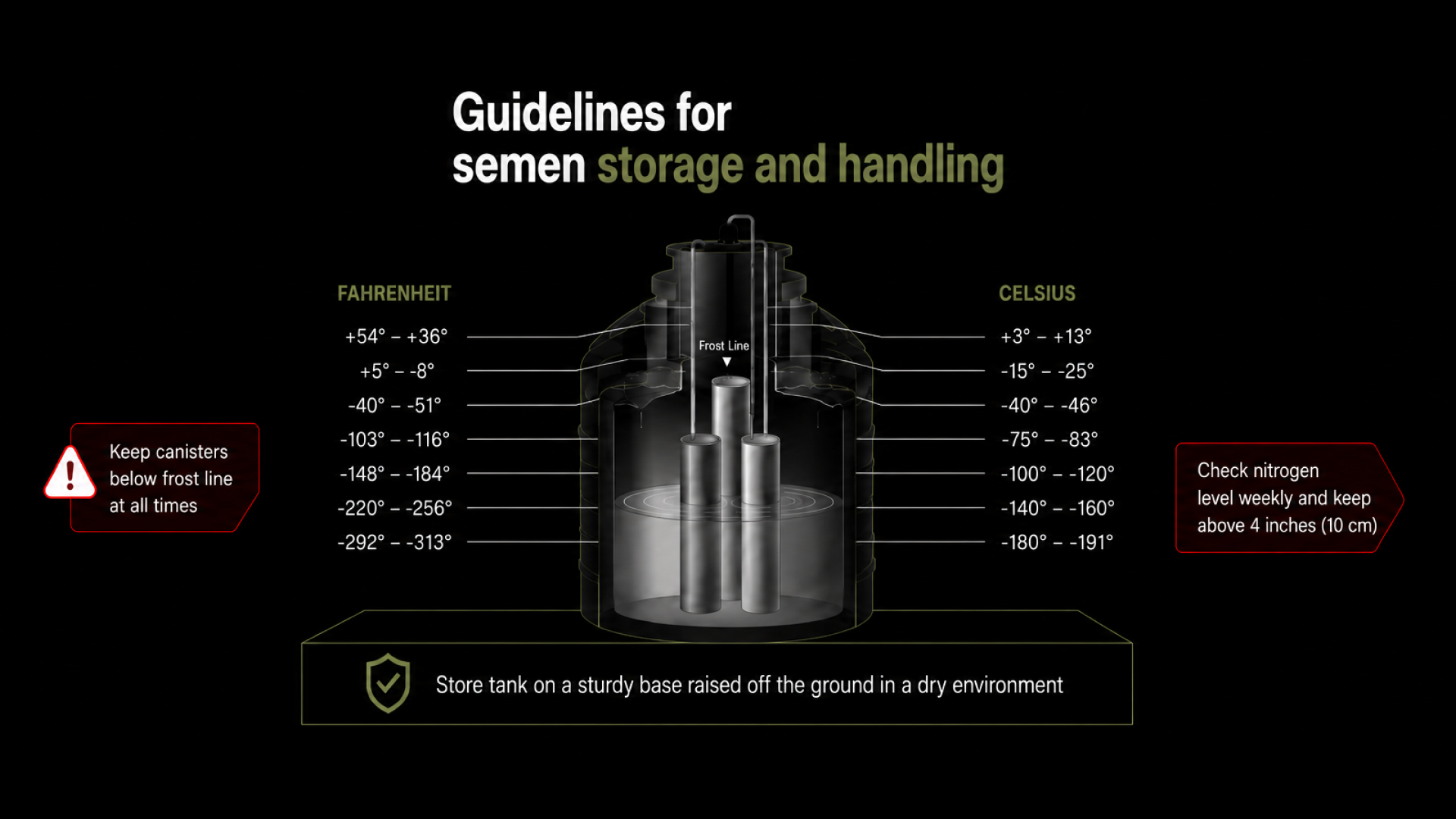
The semen tank protects straws with a frost line. Below that line, the straws stay deep-frozen. Above it, they start to warm, even while they sit in the tank. A straw lifted too high, even for a few seconds, starts a partial thaw you cannot undo.
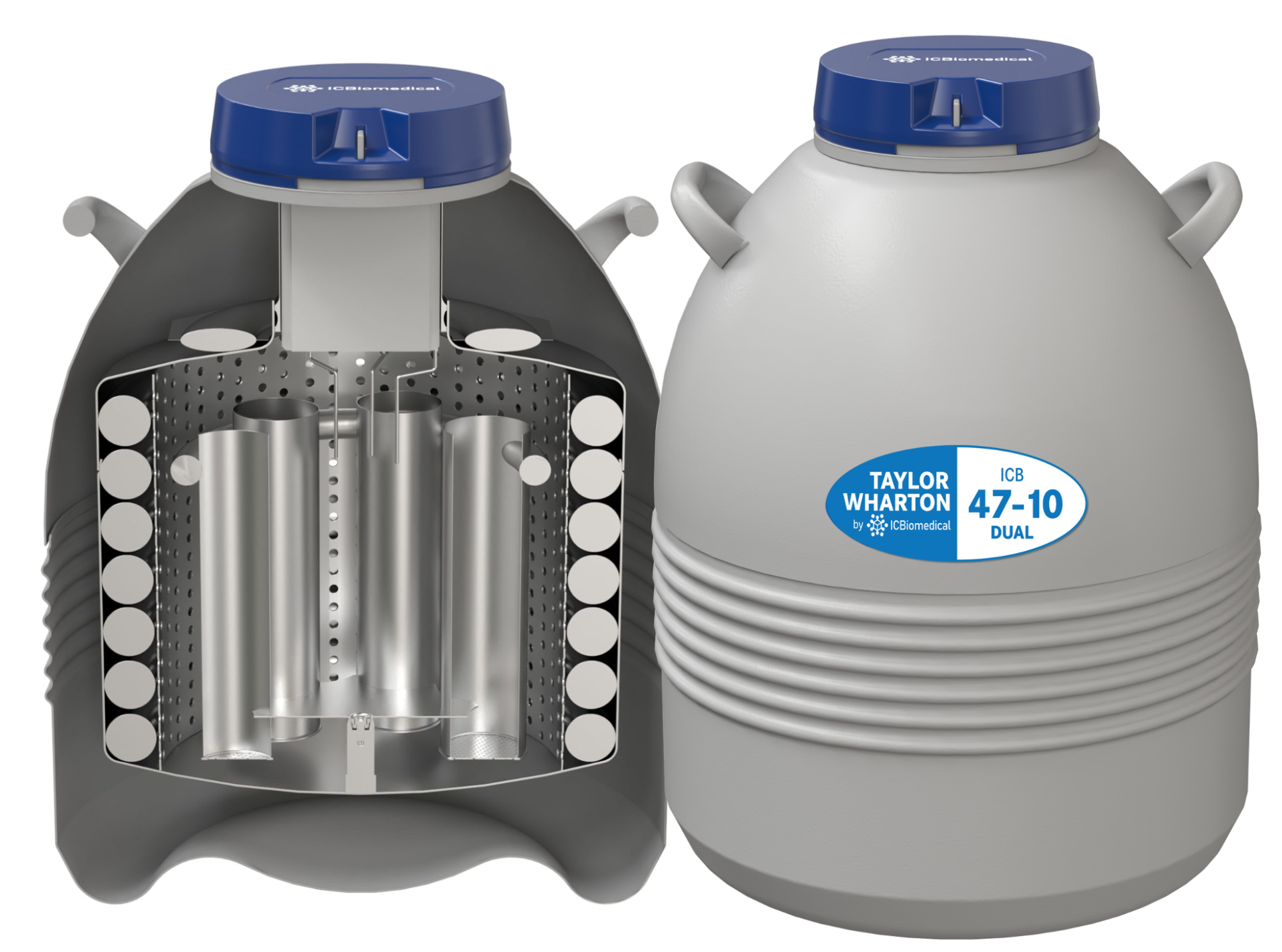
Fix: Keep the canister below the frost line while you find your straw. Use tweezers, not your fingers, because warm fingers thaw the straw too fast. Work quickly and drop the canister back down if you need to search.
Mistake 8: Letting untrained people breed cows
On busy days, it is tempting to hand the gun to whoever is free. This is a costly shortcut.
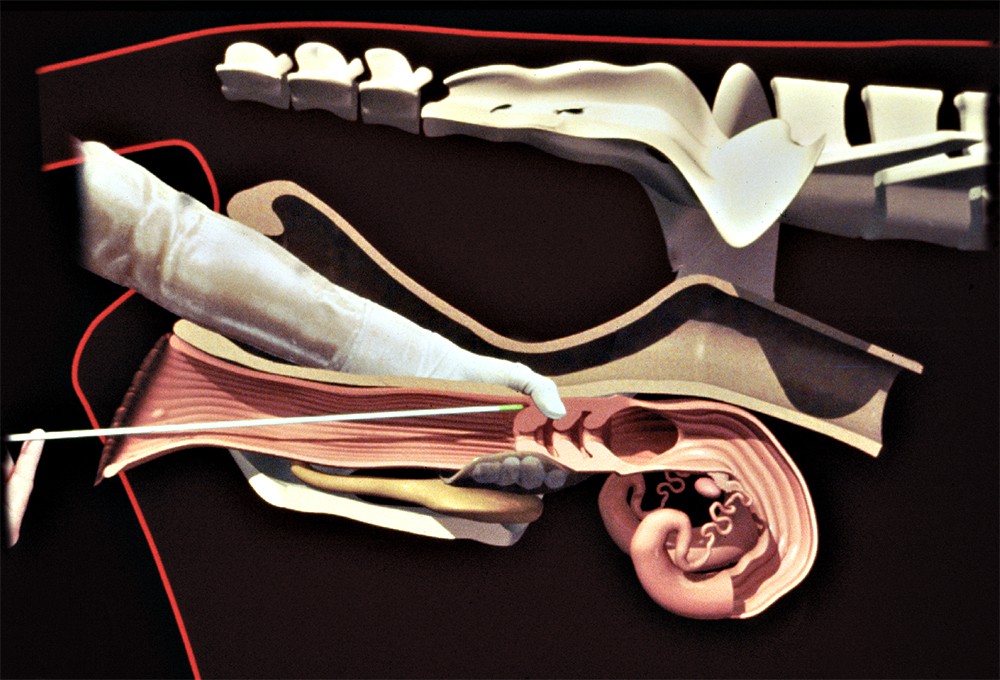
AI is a skill. Untrained people place the semen in the wrong spot or get tired and lose accuracy. Even trained techs lose accuracy when they are fatigued and rushing through too many cows. Where the semen lands inside the cow matters a lot for whether she settles.
Fix: Only let trained people breed. If you are training, go slow. Do not let one person breed so many cows in a row that they get tired and sloppy.
Mistake 9: Breeding stressed cows
A stressed cow is a harder cow to settle. Loud yards, prods, shouting, long waits in the chute, rough handling, and extreme heat or cold all raise stress and lower conception.
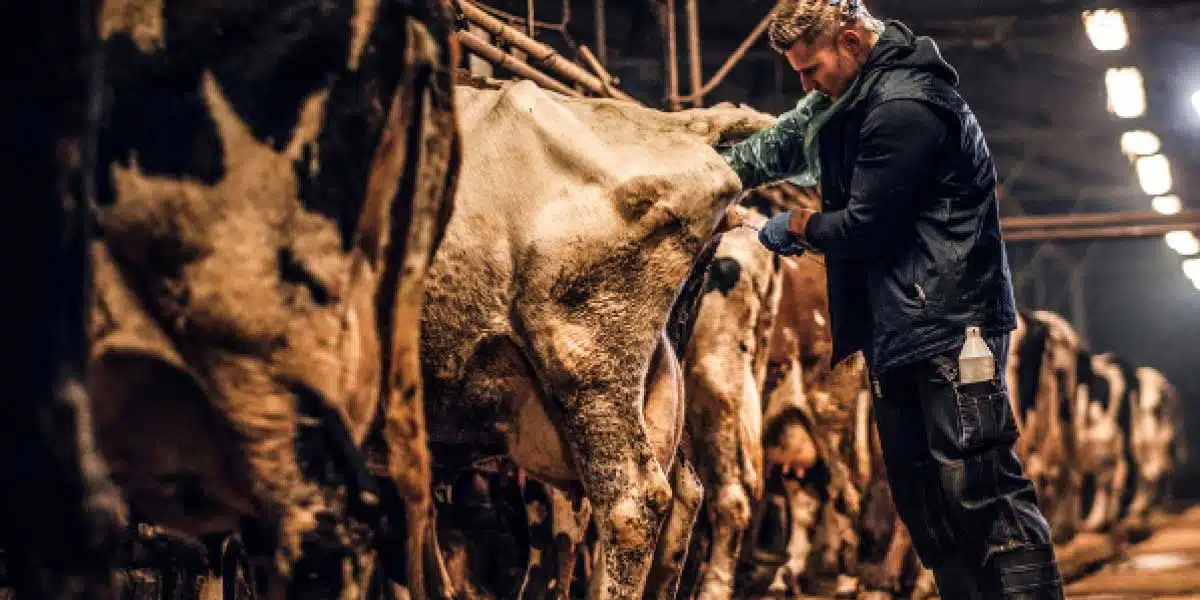
Fix: Make AI day calm. Use solid-sided chutes so cows see less. Bring cows up in small groups, not all at once. Handle them gently. No shouting, no prods. If a cow is very stressed, let her settle before you breed her. Watch the weather and avoid breeding in extreme heat when you can.
Mistake 10: Not checking semen quality at the point of use
Here is the mistake almost nobody talks about.
You trust the lab report that came with the semen. But that report was made days ago, in another place, before the straw traveled to your farm. A lot can happen on the way. A tank that ran low on nitrogen. A rough trip. A storage slip. By the time the straw reaches the cow, the quality may not match the paper.
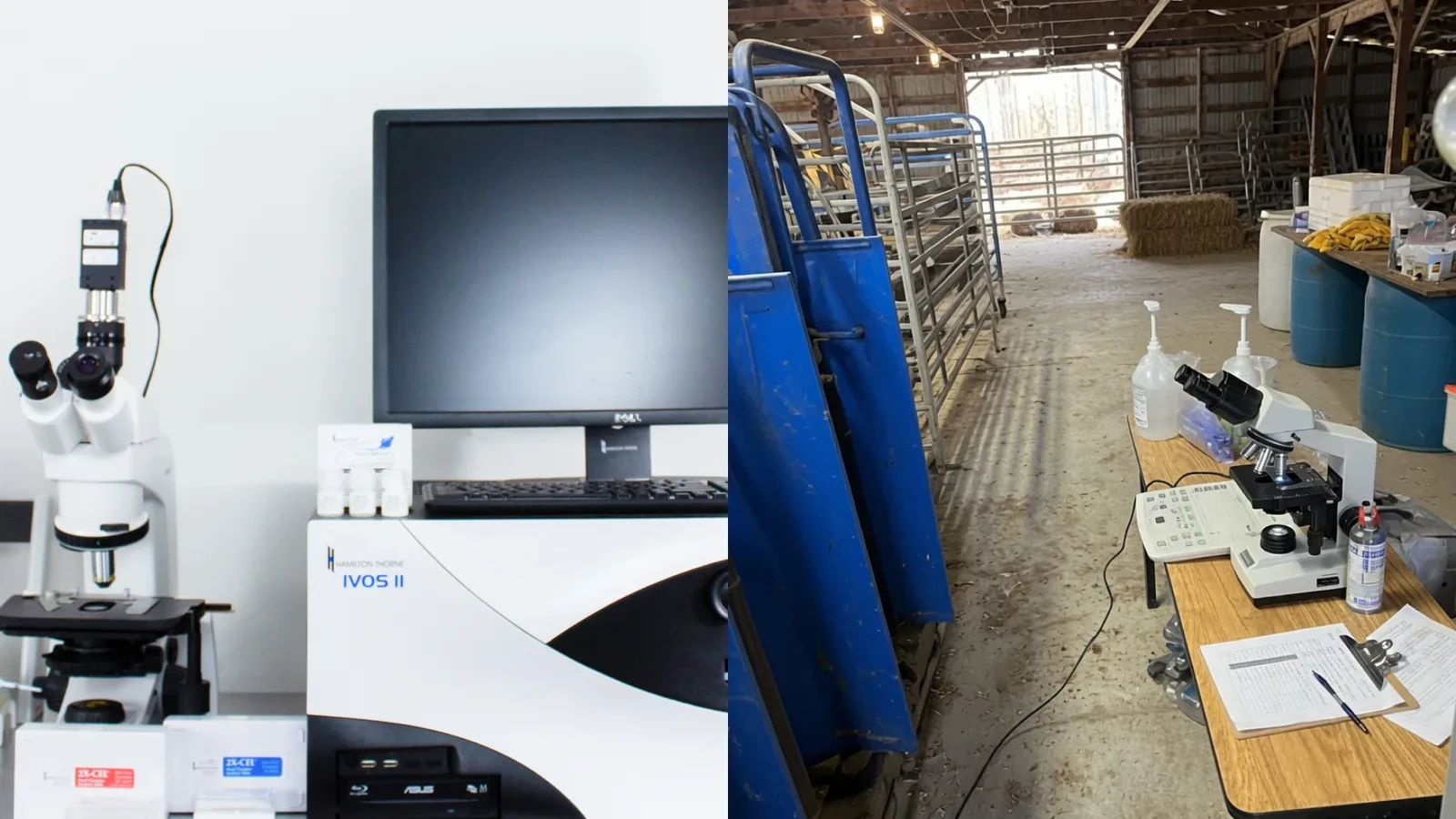
The semen quality at the moment of insemination is what decides the pregnancy. Not the quality at the stud weeks ago. And that final moment is the one step most farms never check.
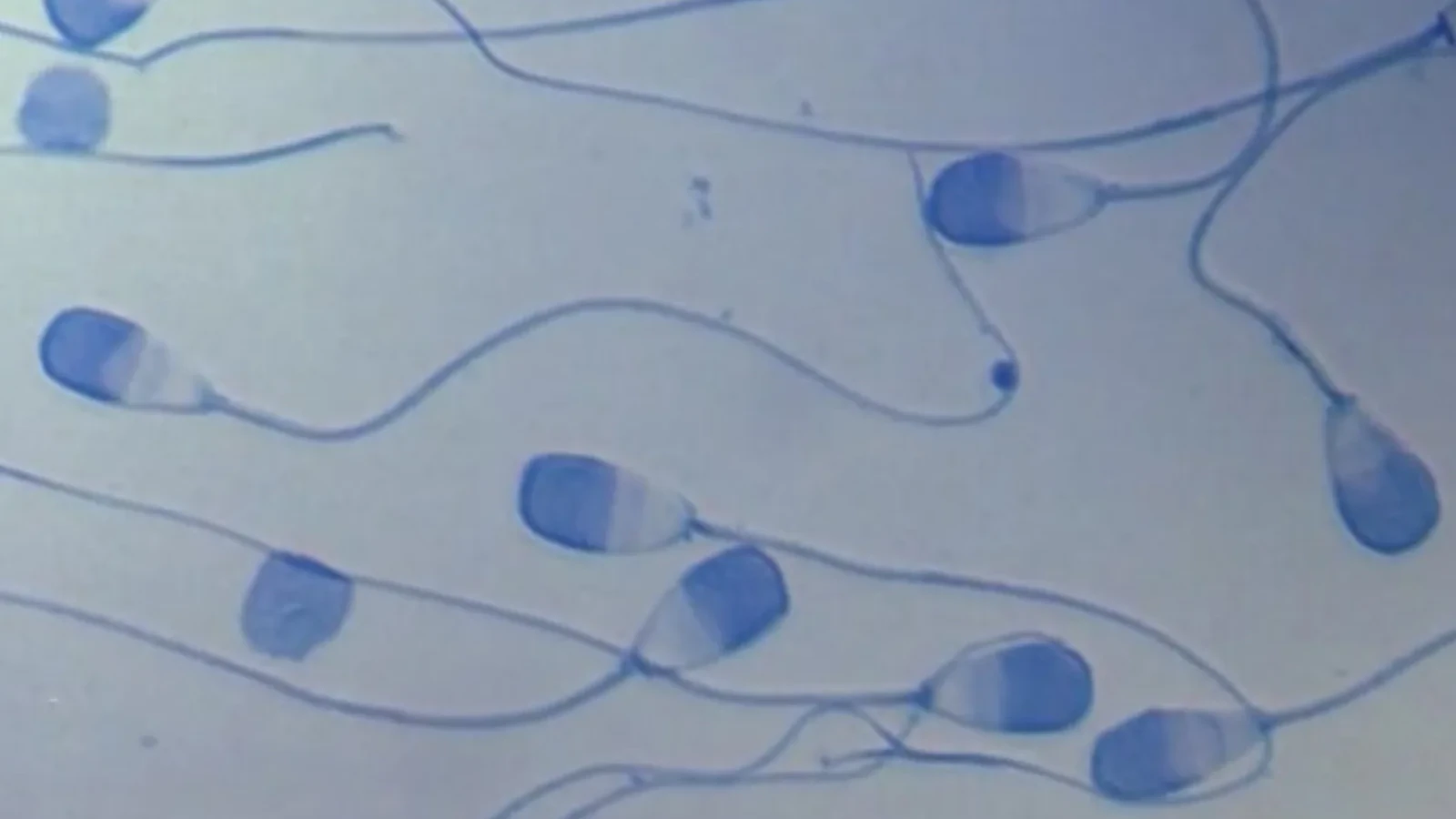
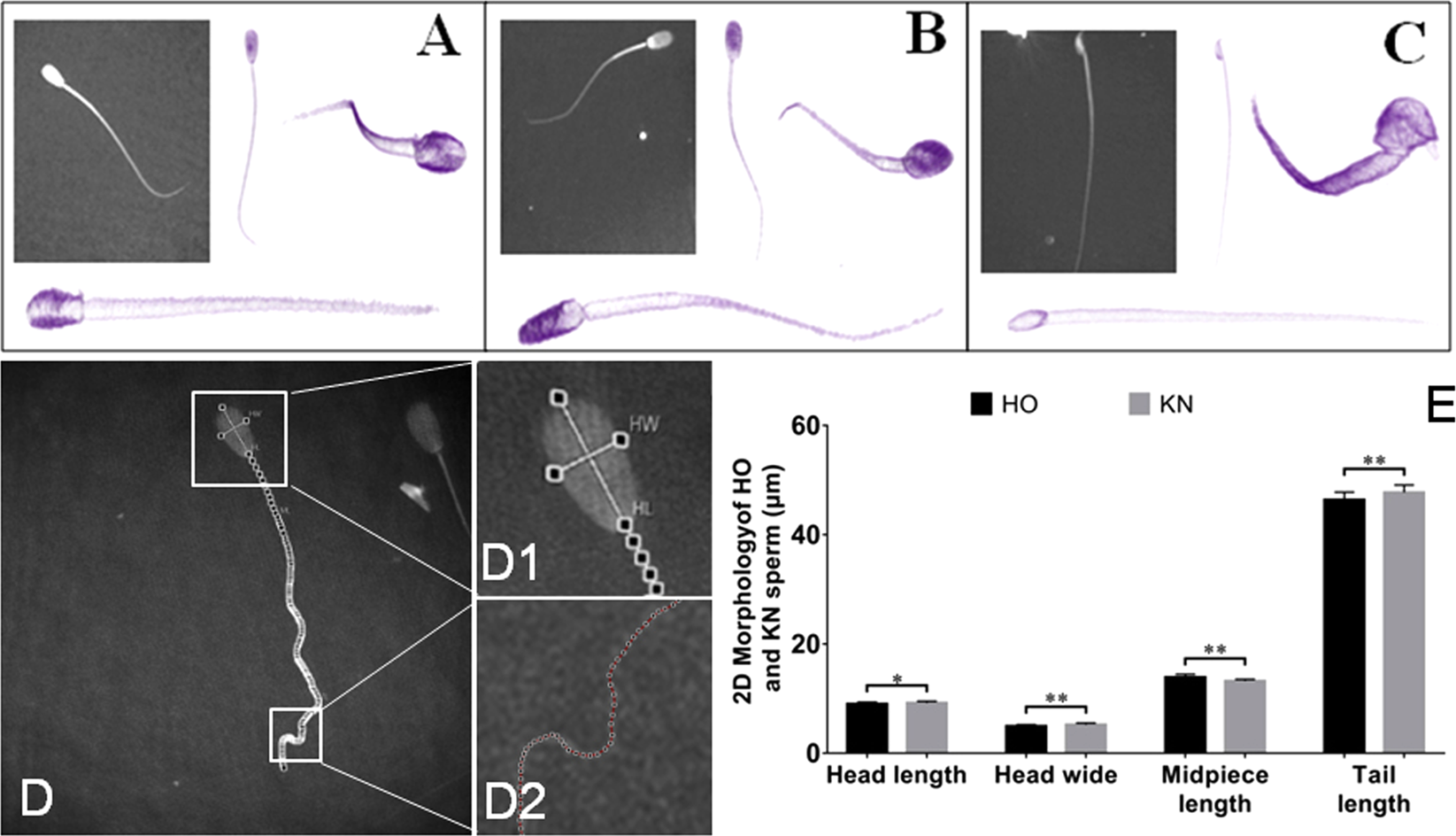
This is the gap. Motility, the share of sperm swimming forward, is the single best field predictor of whether a cow will settle. But in the field it is almost never measured. People assume the dose is fine because the paper said so.
Fix: Check motility at the point of use, right before you breed. A quick objective reading tells you if the dose that reached your farm is still good. It turns "I hope this straw is fine" into "I know this straw is fine," with a record to prove it. This is exactly the step our free field checklist below is built around.
Get the free field checklist
We put the field-side steps into one printable checklist. It covers thawing, handling, timing, and the semen quality check at the point of use. The same protocol used by field technicians across more than 10 countries.
Enter your email to download the Field Semen Evaluation Protocol. One page. Print it, clip it to your chute, and run every breeding the same right way.
Frequently asked questions
What is the most common AI mistake? Thawing semen at the wrong temperature. The standard is a water bath at 95°F, about 35 to 37°C, for 30 to 45 seconds, checked with a thermometer. Guessing the heat is the top cause of dead sperm.
How long do you have after thawing semen? Breed within about 6 to 15 minutes of thawing. Thawed sperm lose quality fast, so have everything ready before you thaw and breed as soon as you can.
When should you breed a cow after she shows heat? About 12 hours after you first see standing heat. That lines up with when the egg is released. Write down the time you first see heat so your timing is right.
Can you thaw more than one straw at a time? No. Thaw one straw at a time. Only thaw what you can use in 10 to 15 minutes. Thawing many straws at once lowers conception for the cows bred last.
Why are my cows open even with good semen? Often the problem is handling or timing, not the semen itself. Wrong thaw temperature, cold shock, water on the straw, late breeding, or poor heat detection all cause open cows. Checking semen quality at the point of use removes the guesswork.
The bottom line
A failed AI season is rarely one big failure. It is usually a stack of small mistakes, each costing you a few cows. Thaw temperature. Thaw timing. Cold shock. Water. Heat detection. The order you pull the straw. Who holds the gun. How calm the cow is.
Fix these and your conception rate climbs without spending a dollar more on semen.
And close the last gap. Check the semen quality at the moment you breed, not just on the paper that came in the box. That final check is the difference between hoping the dose is good and knowing it is.
Download the free field checklist below and run every breeding the same right way.
Sources: University of Minnesota Extension, Artificial Insemination of Cattle; University of Hawaii CTAHR (LM-16), Proper Semen Handling, Lee et al. 1997; New Mexico State University, Proper Semen Handling Improves Conception Rates; ScienceDirect review, Semen handling, time of insemination and technique in cattle (2018); PMC, Effect of Different Thawing Methods for Frozen Bull Semen (2022); CattleMax AI guide. All handling figures verified against primary extension and peer-reviewed sources, 2026.