What a breeding soundness exam is
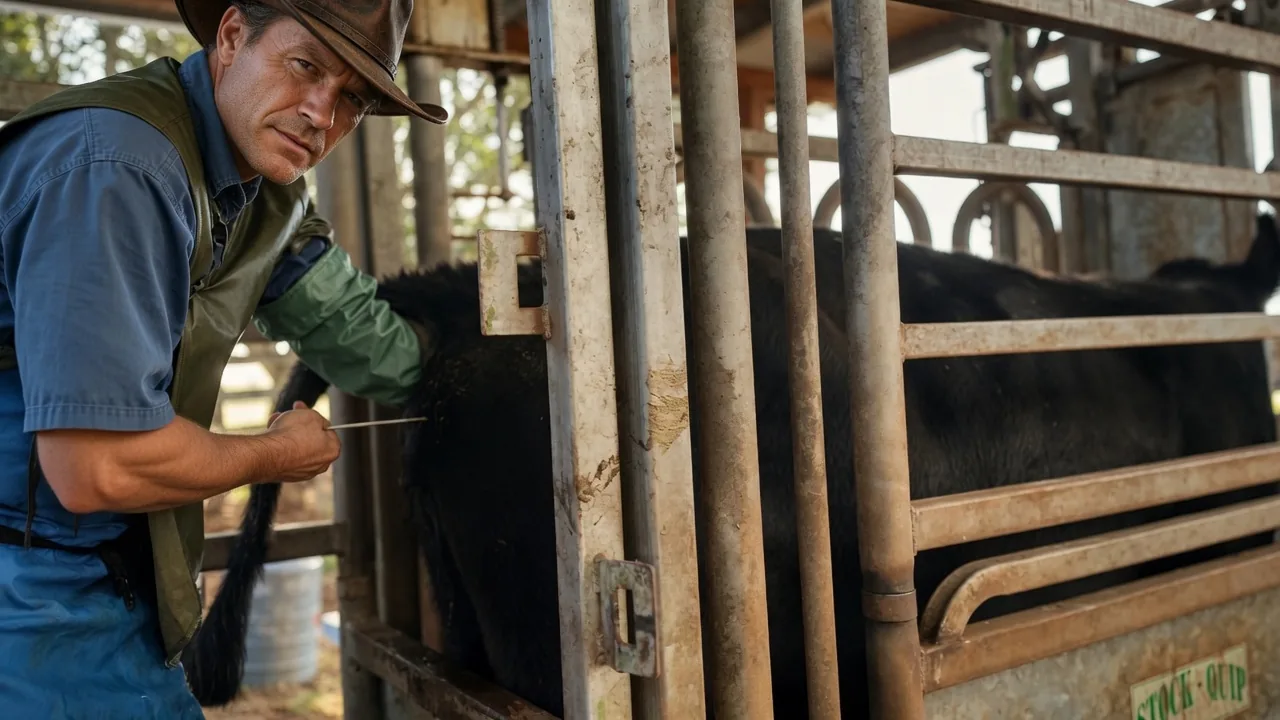
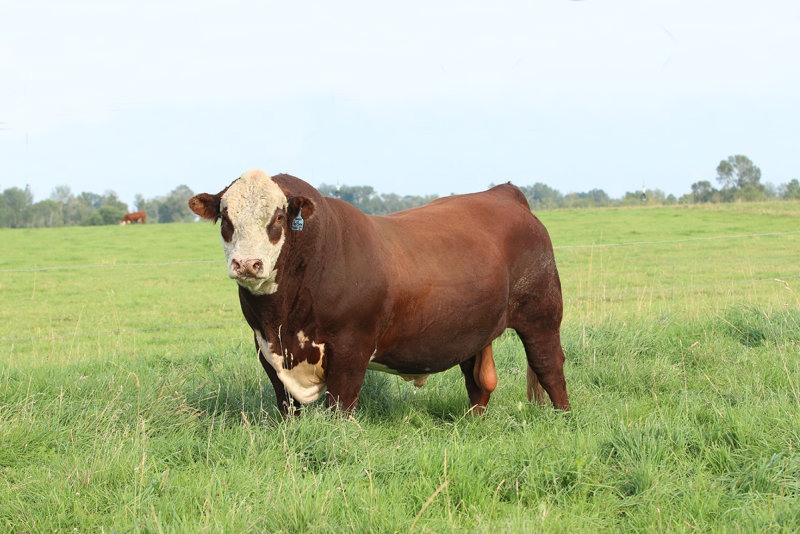
A breeding soundness exam (BSE) is a check a veterinarian does on a bull before the breeding season. It answers one simple question: can this bull get cows pregnant?
The exam has four parts. A physical check of the body. A measure of the scrotum. A check of how the sperm move. And a check of how the sperm are shaped. A bull has to pass all four to be called a "satisfactory potential breeder."
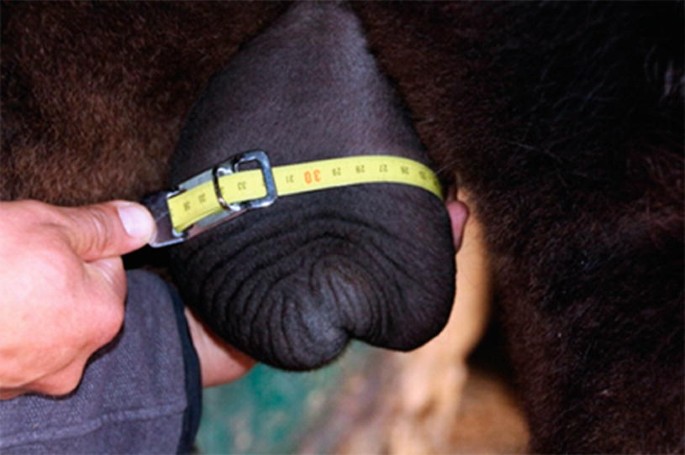
This is the standard used across North America. It was set by the Society for Theriogenology, the vet group that focuses on animal reproduction. The current version of the form came out in 2018.
One thing to keep in mind. A BSE is more than a semen test. Looking at sperm under a microscope is just one part of it. A bull can have perfect sperm and still fail because his feet hurt or his eyes are bad. If he cannot walk to the cow or see her, the sperm do not matter.
Why this matters so much
Think about the math. One bull breeds 25 to 30 cows in a season. If that bull is fertile, you get 25 to 30 calves. If that bull is infertile, you get zero. Not fewer calves. Zero.
It gets worse in groups with more than one bull. If a dominant bull is the strong one but he is also the infertile one, he chases the other bulls away from the cows. So even your good bulls cannot do their job. The herd looks covered, but the cows stay open.
You will not see this problem until pregnancy check, months later. By then the season is over. You cannot get those months back. The cows that did not catch early will calve late next year, and late calves wean lighter and sell for less.
A BSE costs a small amount and takes a few minutes. An open cow costs you a calf. That is the trade.
Why one in five bulls fails
Here is the number that surprises most people. About 20 to 25% of bulls fail a breeding soundness exam every year. That is roughly one in five.
In some groups it is even higher. Young bulls fail more often than mature bulls. They are still growing, and their sperm is not ready yet. A 20-year study of Nellore bulls in Brazil found that about 14% of two-year-old bulls failed, and the main reasons were poor semen quality and physical defects.
So why do bulls fail? Some reasons are temporary:
- Heat stress over the summer
- Poor feed or low body condition
- A recent illness or fever
- Just being too young
Some reasons are permanent:
- Testicle damage
- Genetic defects
- Long-term disease
The good news is that many bulls that fail the first time are not failed for good. The vet can mark them "deferred." This means "check again later." After 30 to 60 days of rest, a lot of these bulls pass. Sperm takes about two months to make, so a bull that had a fever in spring may be fine by summer.
Here is the part that gets missed. Even bulls that pass are not all equal. In one Angus program, pregnancy rates ranged from 9% to 64% across different bulls, and all of them had passed their exam. A BSE rules out the clear failures. It does not promise that every bull that passes is a top performer.
The four parts of a bull BSE
Part 1: Physical exam
The vet checks the whole body. Eyes, because a bull needs to see cows in heat. Feet and legs, because he needs to walk and mount. Body condition, because breeding burns a lot of energy. Then the vet checks the reproductive parts: the penis, the prepuce, and feels the testicles and internal glands for lumps or damage.
Part 2: Scrotal circumference
The vet wraps a tape around the widest part of the scrotum and reads the number in centimeters. This sounds basic, but it is one of the most useful measures in the whole exam. A bigger scrotum means more sperm-making tissue. It also links to how early the bull's daughters reach puberty.
The minimum size goes up with age. Here are the standard cutoffs:
| Bull age | Minimum scrotal circumference |
|---|---|
| 12 to 15 months | 30 cm |
| Over 15 to 18 months | 31 cm |
| Over 18 to 21 months | 32 cm |
| Over 21 to 24 months | 33 cm |
| Over 24 months | 34 cm |
A bull below the line for his age does not pass on that part.
Part 3: Sperm motility
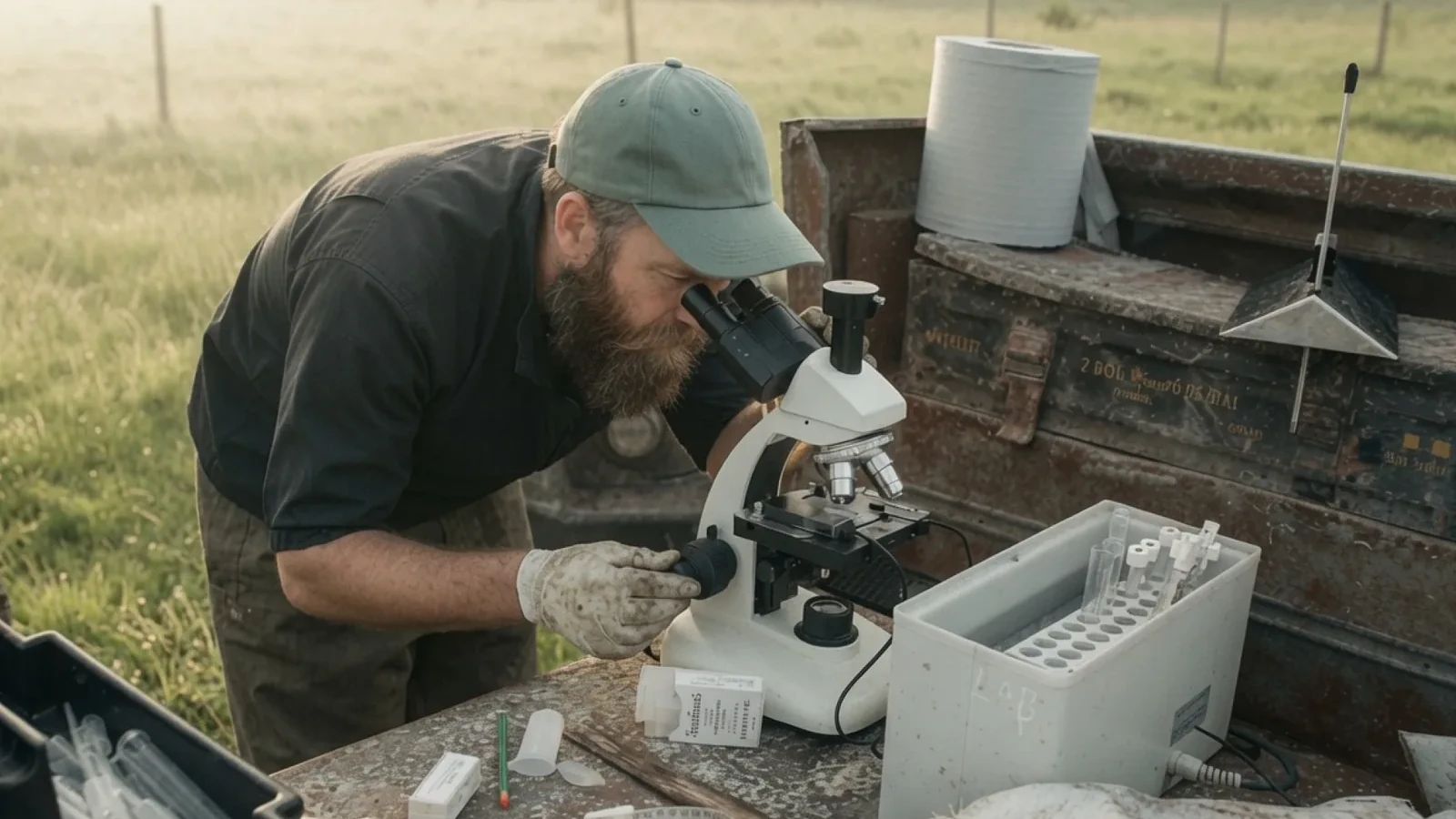
Motility means movement. The vet looks at a fresh sample under a microscope and judges how many sperm are swimming forward. The standard is simple: at least 30% of the sperm must show progressive motion. Progressive means swimming in a straight line, not just twitching in place.
This is the part of the exam that depends most on the human eye. Two trained people can look at the same sample and give different numbers. That is the weak spot of the field exam, and we come back to it at the end.
Part 4: Sperm morphology
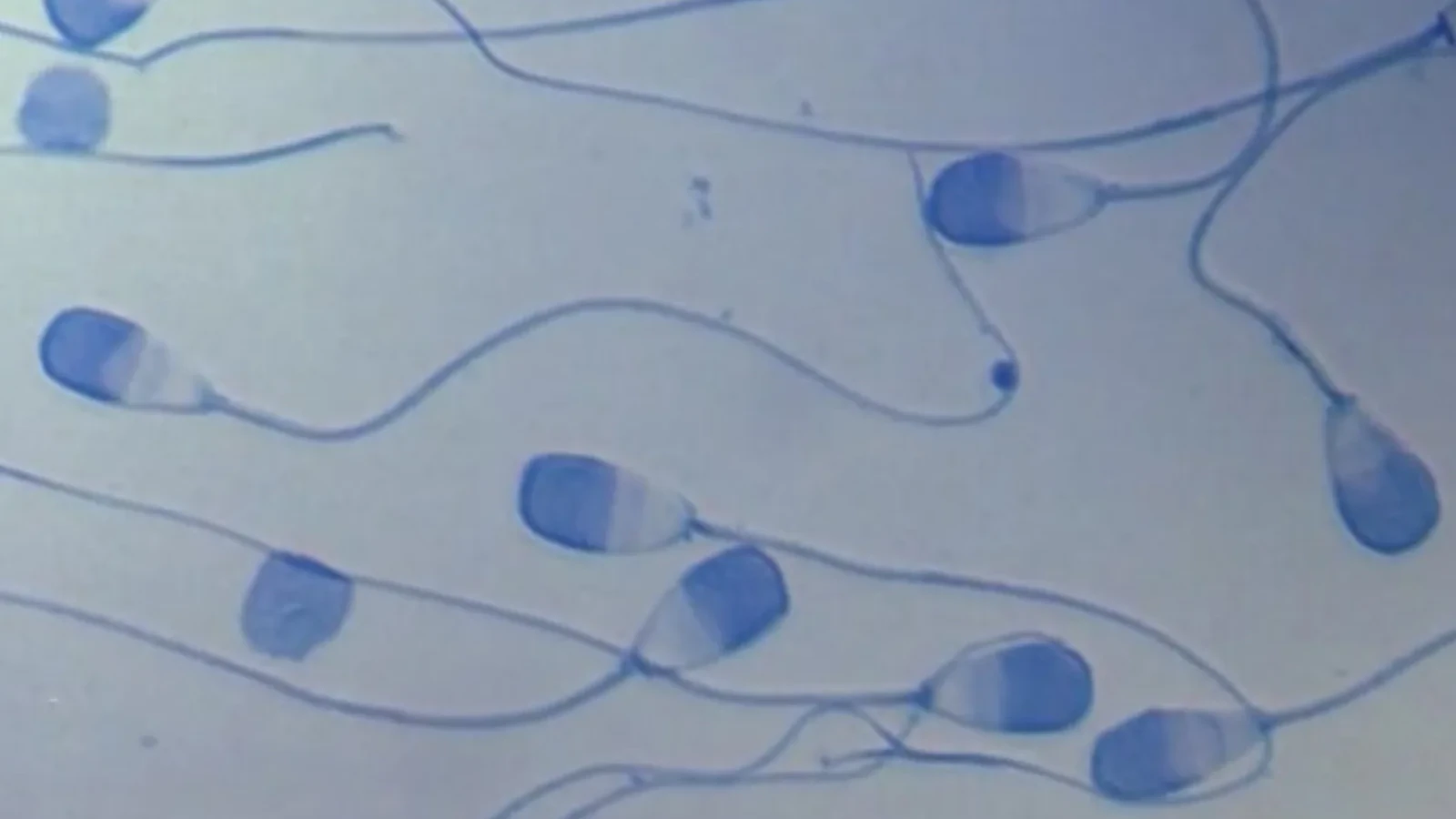
Morphology means shape. The vet stains the sample and counts the sperm one by one, usually at least 100 of them. A normal sperm has a proper head, midpiece, and tail. An abnormal one has a defect somewhere. The standard: at least 70% of the sperm must be normally shaped.
Shape matters for pregnancy. One study found that bulls with more than 80% normal sperm produced pregnancy rates at least 4% higher than average bulls. Small edge, big money across a whole herd.
What the final score means
After all four parts, the vet gives one of three results:
- Satisfactory potential breeder. Passed everything. Ready to work.
- Unsatisfactory potential breeder. Failed and not likely to improve. Cull or replace.
- Classification deferred. Borderline or too young. Rest and retest in 30 to 60 days.
A vet often defers more bulls than they fail outright, especially young ones and bulls the owner really wants to keep.
When to do it
Do the BSE 30 to 60 days before you turn the bull out. Some vets say 60 to 75 days. The reason is the same either way: you need time. If a bull fails, you need time to buy a replacement. If a bull is deferred, you need time to rest him and check again.
Doing the exam the week before turnout leaves you no options. A failed bull becomes an empty pasture.
Test every bull before every season. Even if you used the same bull last year and he was great. Sperm quality changes over time. A bull that passed in spring can go bad by fall after a hot summer. If you run spring and fall calving, test before each one.
Who does it and what it costs
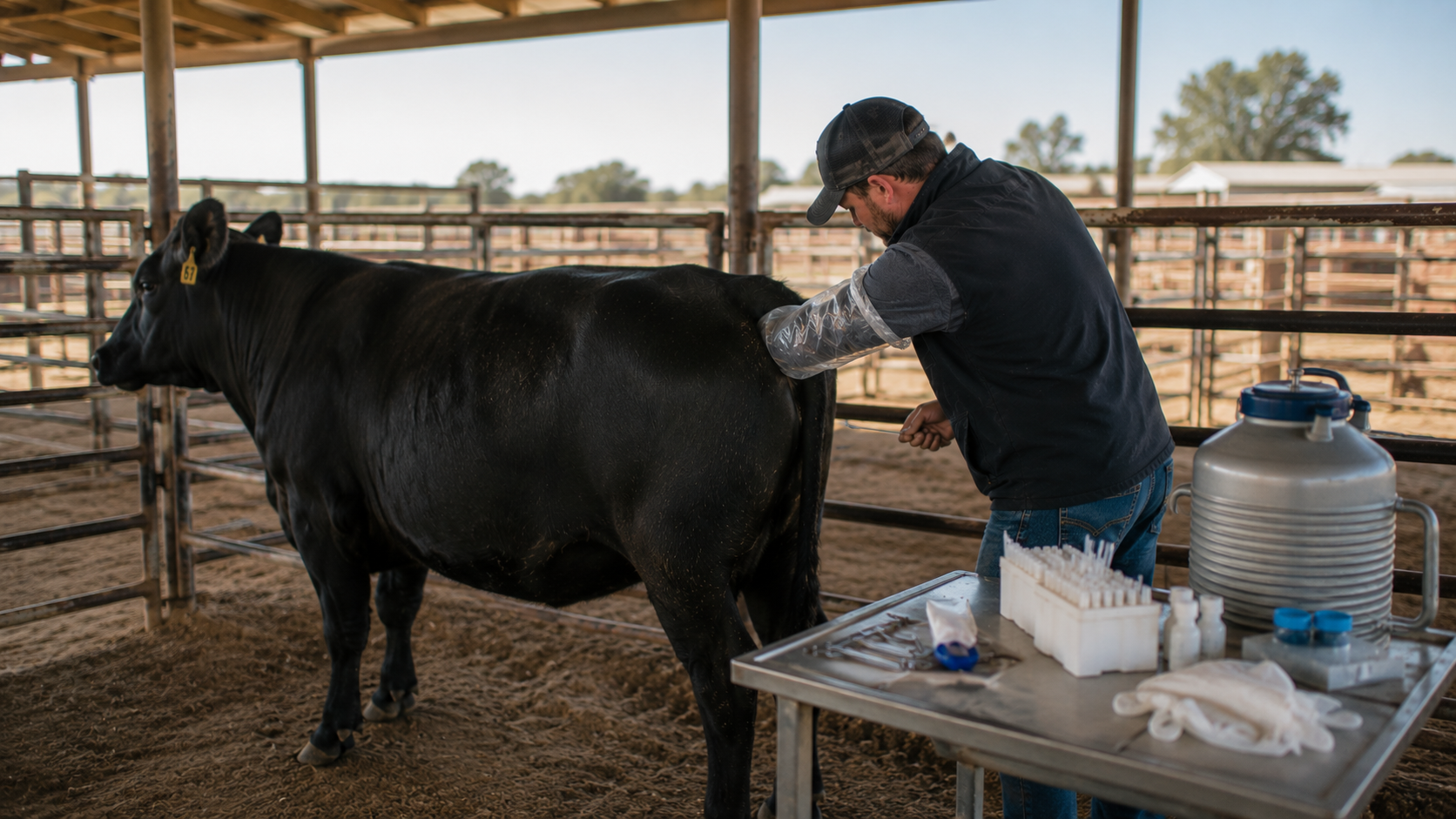
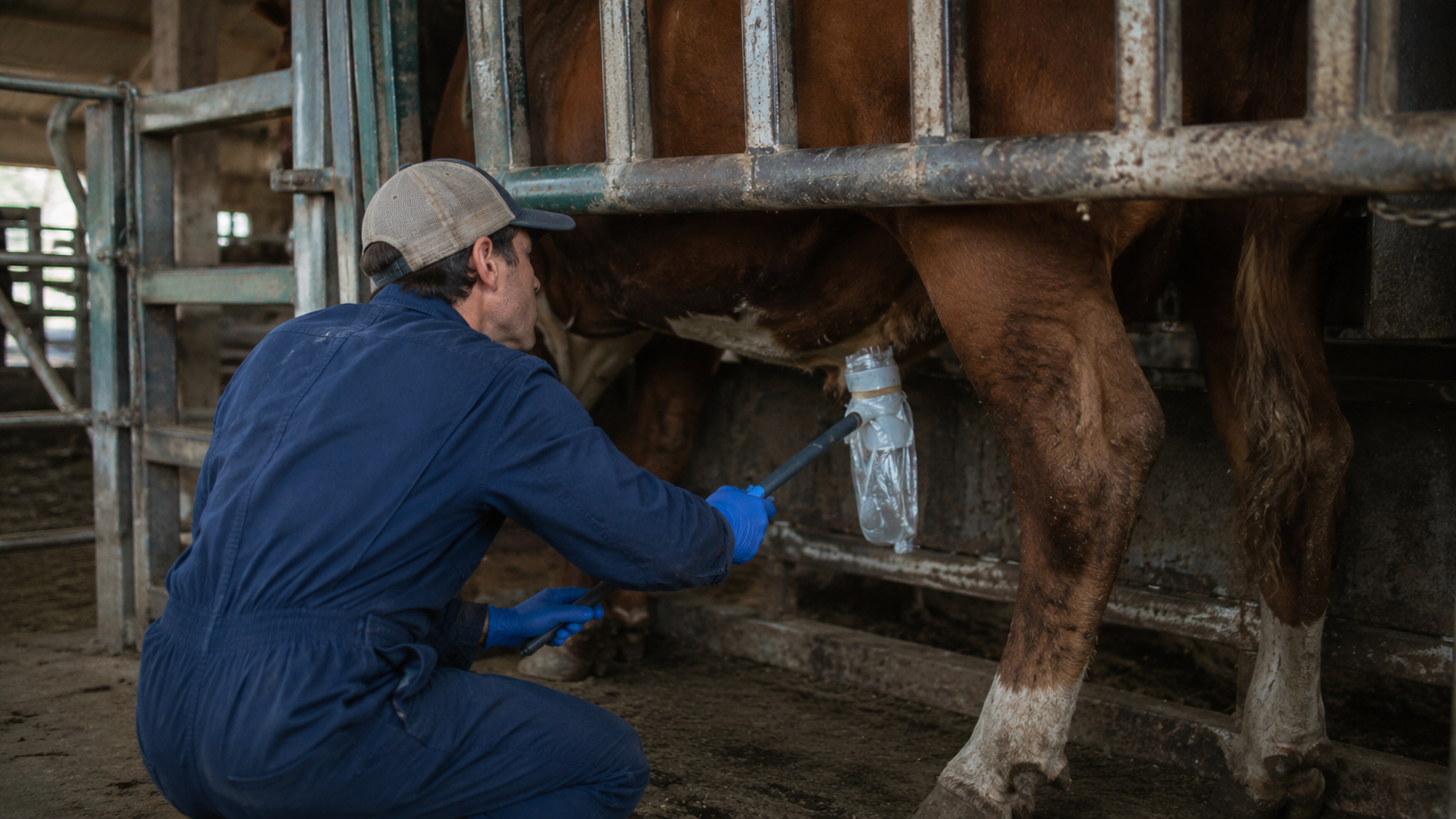
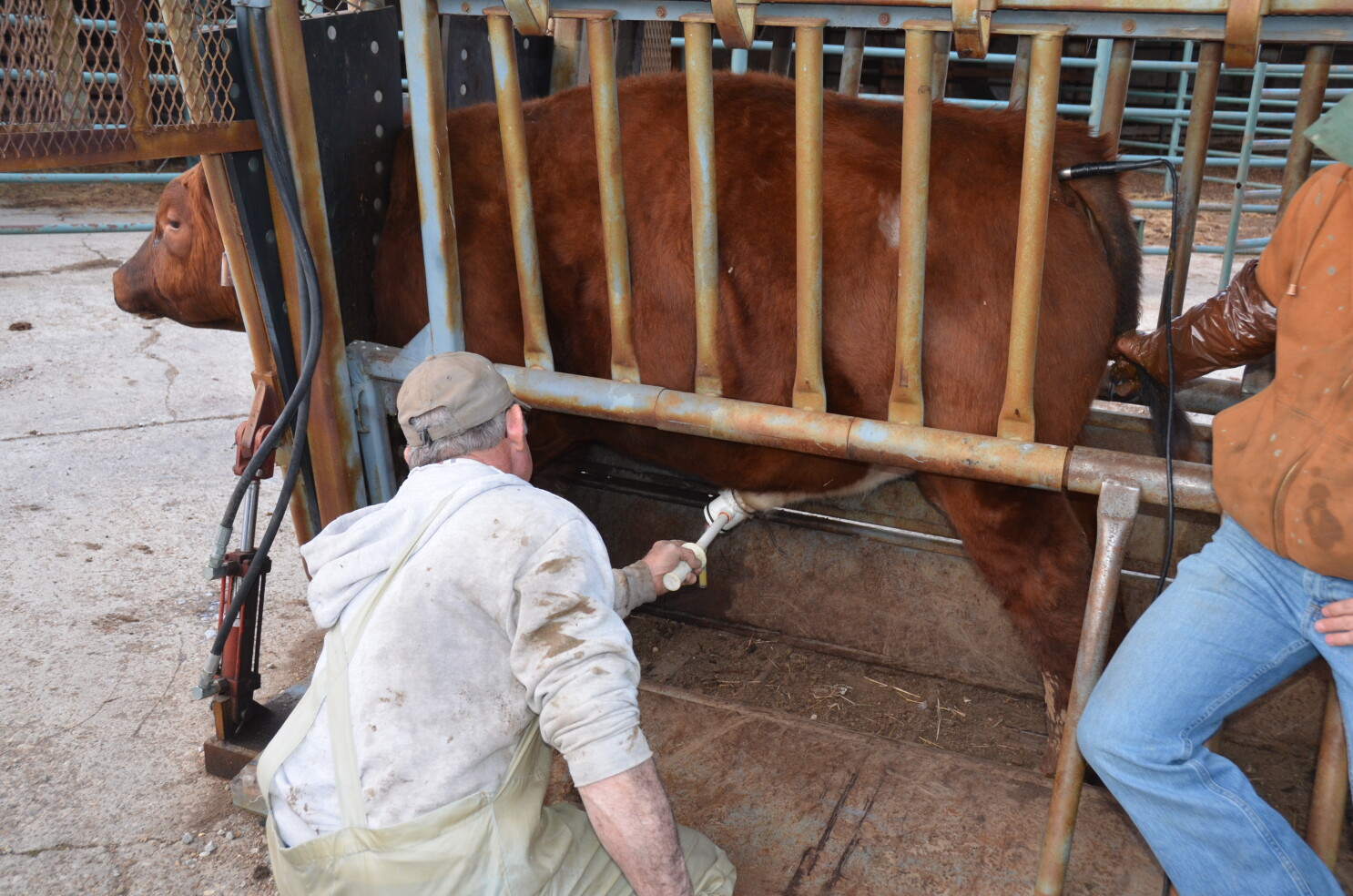
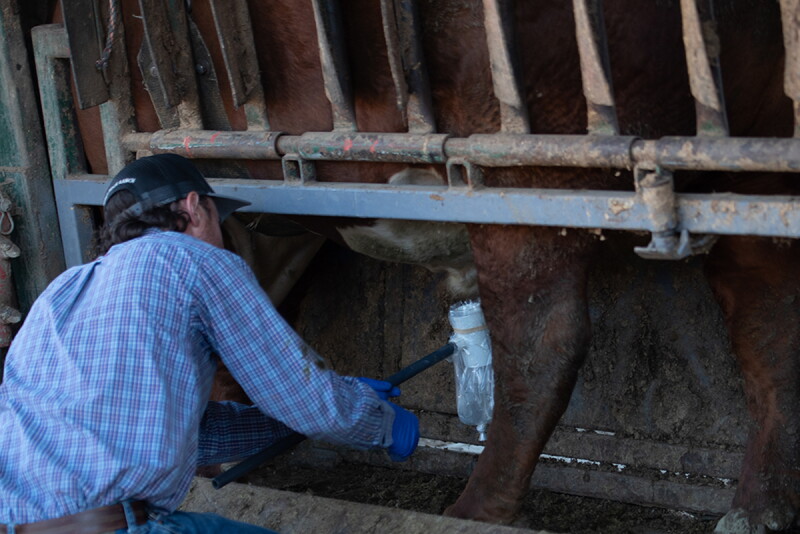
A licensed veterinarian or a trained technician does the BSE. For the semen part, they usually collect a fresh sample on the spot, often using electroejaculation. The sample is checked right away. Frozen and thawed testing is only for AI stud bulls, not for normal herd bulls that breed naturally.
The owner usually pays. When a bull is sold, the seller often pays for the exam and includes the certificate with the sale. Many breed associations require a current breeding soundness certificate before a bull can sell at auction.
Cost is low compared to the risk. As one rancher put it, testing 450 bulls a year is just protecting the investment. The extra calves more than cover the exam fee.
And yet, most producers skip it. A 2020 national survey found that only 20% of U.S. producers do a semen evaluation, let alone a full BSE, before turnout. Four out of five are running bulls on faith.
The money side
The numbers back up the exam. Herds that screen bulls with a BSE see higher pregnancy rates than herds that do not. The gain shows up as more calves born early in the season, which means heavier calves at weaning and more weight to sell.
When cattle prices are high, the case gets even stronger. One missed pregnancy is one missed calf at top dollar. The exam fee is the same whether prices are high or low. The return is not.
The weak spot in the field, and how to close it
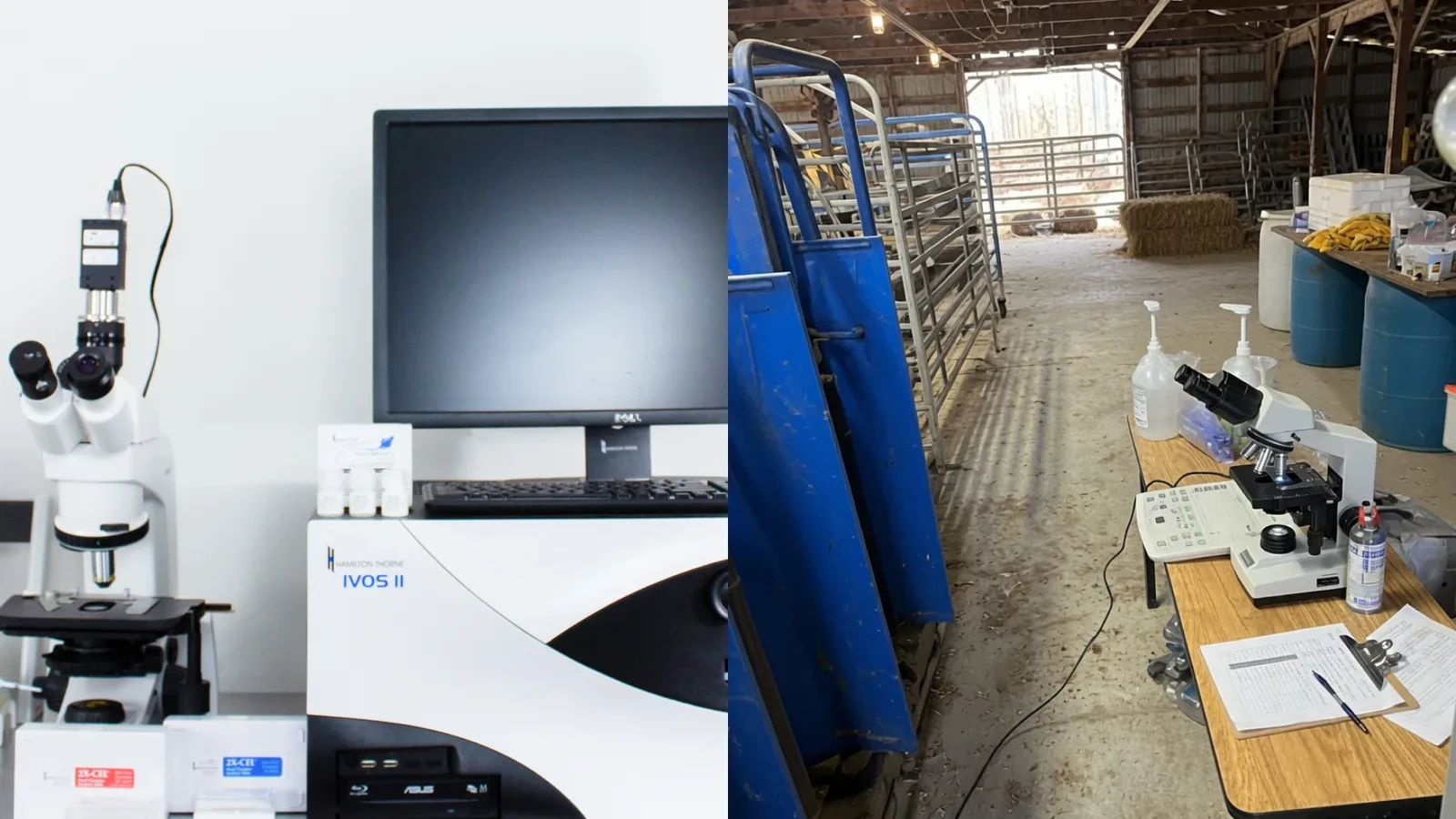
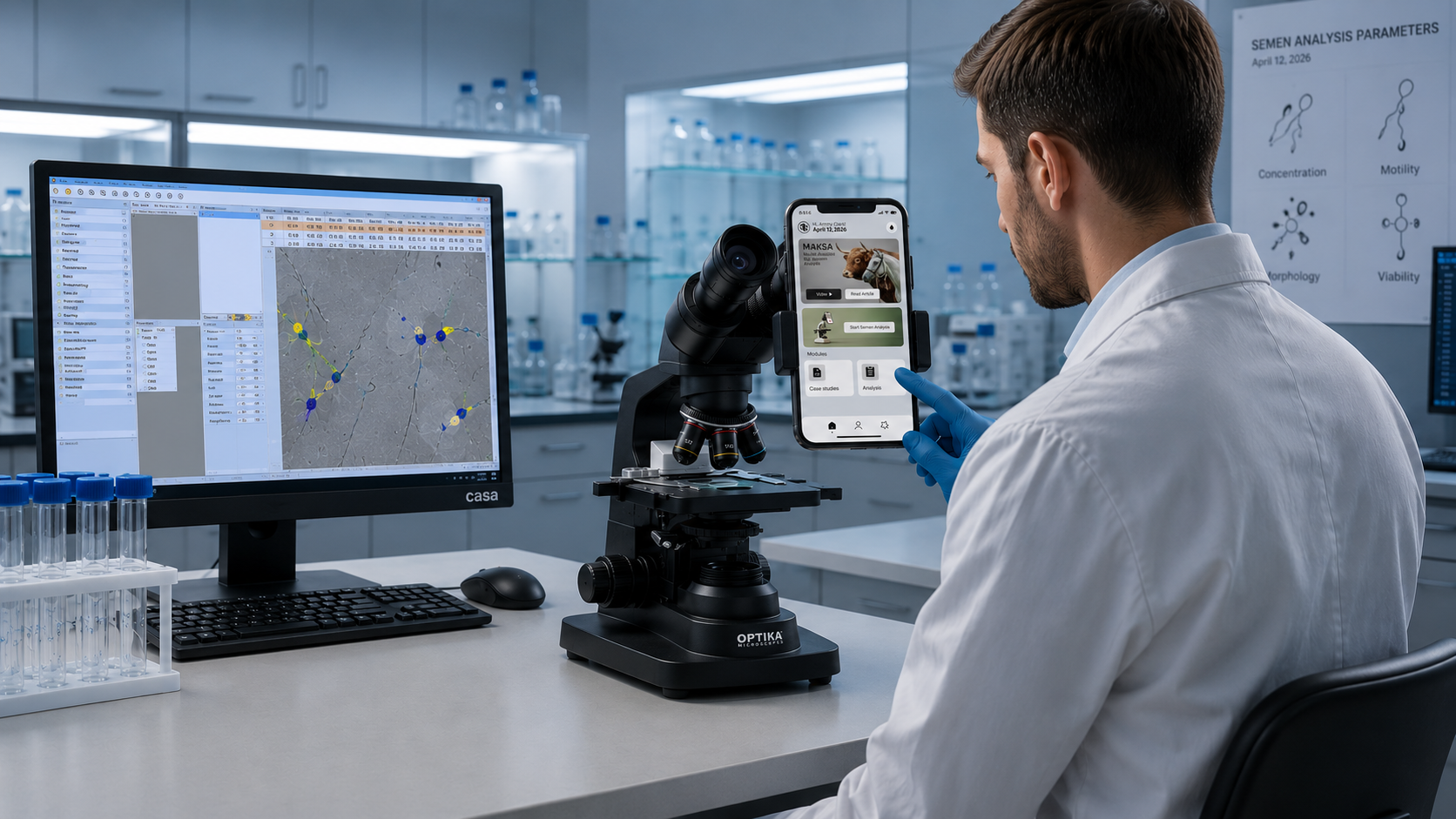
Look back at Part 3, sperm motility. It is judged by eye. Two people can see the same sample and disagree. That is human nature, not bad work. Motility is the component most often assessed by eye in the field, and that brings variability into the most important fertility number in the exam.
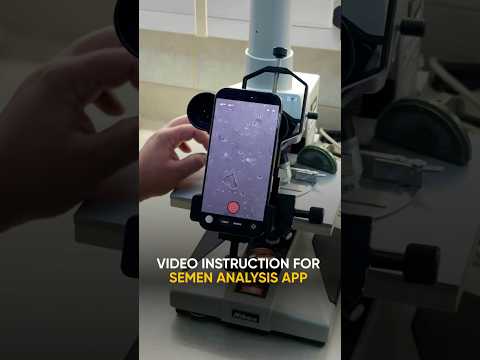
This is where objective measurement helps. A tool that gives the same motility reading every time, with a timestamp and a record you can keep, removes the guesswork from that one weak link. It does not replace the vet or the other three parts of the exam. It makes the motility number something you can stand behind and document.
That record matters more every year. Buyers want proof. Disputes happen. A documented motility result protects you and the bull's value.
Get the free BSE field form
We built a printable BSE field form and semen evaluation checklist, straight from the current Society for Theriogenology standards. One page you can print and clip to a clipboard, or fill in from your phone in the field.
It includes:
- Bull ID and history section
- Physical and reproductive tract checkboxes
- Scrotal circumference table with the exact minimums by age
- Fresh semen evaluation table for motility, morphology, and concentration
- Final classification: satisfactory, unsatisfactory, or deferred
- Notes, retest date, and a vet signature block
Enter your email to download the BSE field form used to evaluate bull fertility before breeding season. It includes the semen motility and morphology checklist, based on current SFT standards.
Frequently asked questions
What is a bull breeding soundness exam?
It is a veterinary check done before breeding season to see if a bull can get cows pregnant. It has four parts: a physical exam, scrotal circumference, sperm motility, and sperm morphology. A bull must pass all four to be a satisfactory potential breeder.
What are the SFT standards for a bull BSE?
At least 30% progressive sperm motility, at least 70% normal sperm morphology, and a minimum scrotal circumference for the bull's age, from 30 cm at 12 to 15 months up to 34 cm at over 24 months.
How often should a bull have a BSE?
Once a year, 30 to 60 days before each breeding season. Test every bull before every season, even one you used before, because sperm quality changes over time.
How many cows can one bull breed?
The usual ratio is one mature bull to 25 to 30 cows. For young bulls, a common rule is one cow per month of age, so about 15 cows for a 15-month-old bull.
Why do bulls fail a BSE?
About 20 to 25% fail each year. Common causes are heat stress, poor nutrition, recent illness, immaturity, testicle damage, or physical problems with feet, legs, or eyes. Many are deferred and pass on a retest after 30 to 60 days.
Does a BSE test libido?
No. A standard BSE checks physical soundness and semen quality. It does not measure a bull's desire to mate. A bull can pass the exam and still have poor libido, so watching the bull work early in the season still matters.
Conclusion
A breeding soundness exam is one of the cheapest, most useful things you can do before turnout. One in five bulls fails. The ones that fail can cost you a whole calf crop. The exam finds them in time to fix or replace.
Book a BSE with your vet 30 to 60 days before the season. And download the free field form below so you and your vet have the standards on paper before the bull ever steps in the chute.
Sources: Society for Theriogenology Manual for Breeding Soundness Examination of Bulls, 2nd Edition (2018); Chenoweth et al. SFT guidelines; Missouri University Extension (G2011); Michigan State University Extension; North Dakota State University Extension; Alabama Cooperative Extension; Menegassi et al. Nellore BSE study, Brazil; national producer survey 2020. Standards and figures verified against primary extension and SFT sources, 2026.