You ran the protocol by the book. The Nelore cows were synchronized. The semen came from a trusted central. Then the pregnancy check comes back and the number is lower than last season. Nobody changed anything obvious, and yet the rate dropped.
FTAI conception rate rarely fails for one big reason. It fails for several small ones that stack up. Each one shaves off a few percentage points. Together they turn a 55 percent season into a 42 percent season, and in a large Brazilian herd bred from September to December, that gap is expensive.
Here are seven causes that quietly pull the number down, and what you can do about each one.
1. Heat stress you did not account for
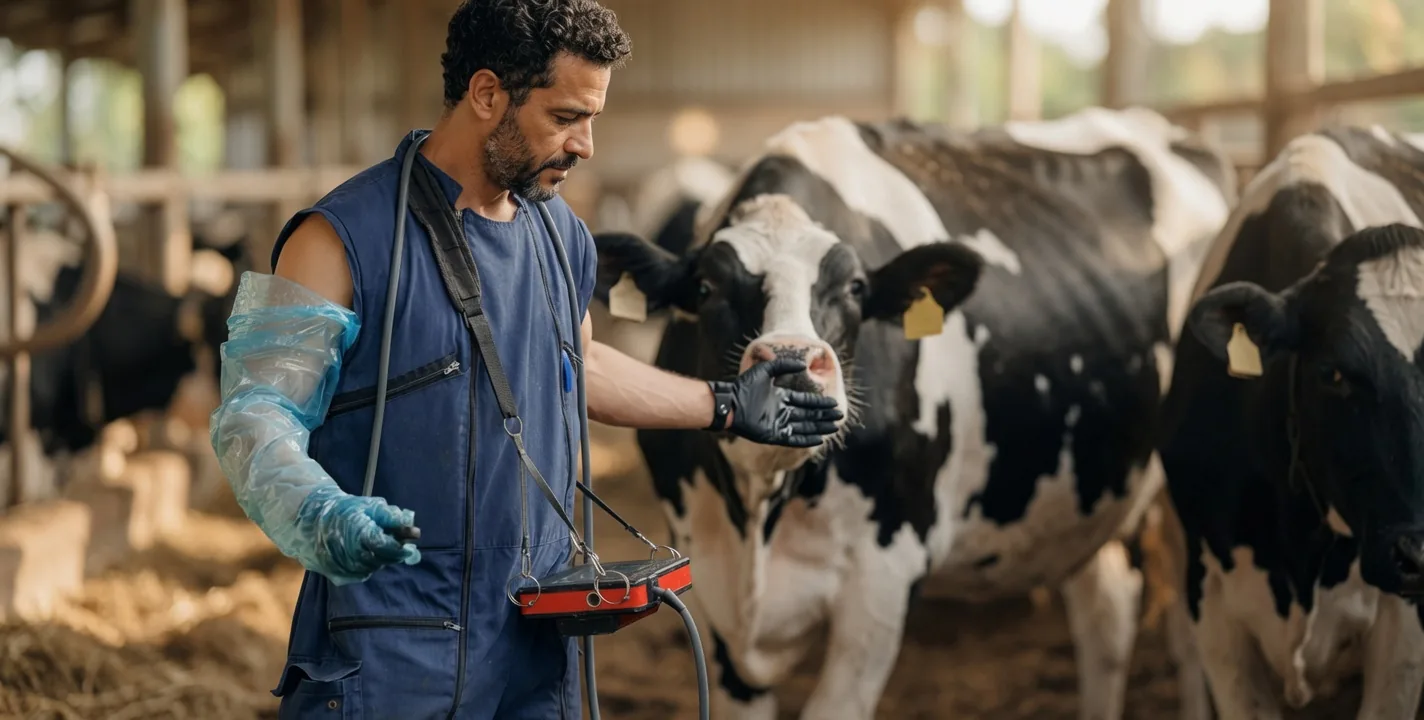
In Brazil, this is the first thing to rule out. Heat stress lowers conception, and the numbers are not small. Research shows conception rate in cattle drops by roughly 4.6 percent for every one-unit rise in the temperature-humidity index (THI) above 70, and most studies place the threshold where fertility starts to fall around a THI of 72 to 73. One study found that when mean THI was 73 or higher in the three weeks before breeding, conception fell from 31 percent to 12 percent.
The tricky part is timing. The damage is often already done before insemination day. A hot spell two weeks earlier can affect the oocyte that ovulates now. That is why the worst window is roughly 21 to 1 days before breeding, not the day itself.
What to do: track temperature and humidity across the whole pre-protocol window, not just on insemination day. Shade, water access, and working cattle in cooler hours all help. If a heat wave hits during the FTAI window, expect a dip and plan around it rather than blaming the semen. Sources: Nature Scientific Reports, Animal Reproduction Science review, PubMed 24612695.

2. Body condition that is too low or dropping
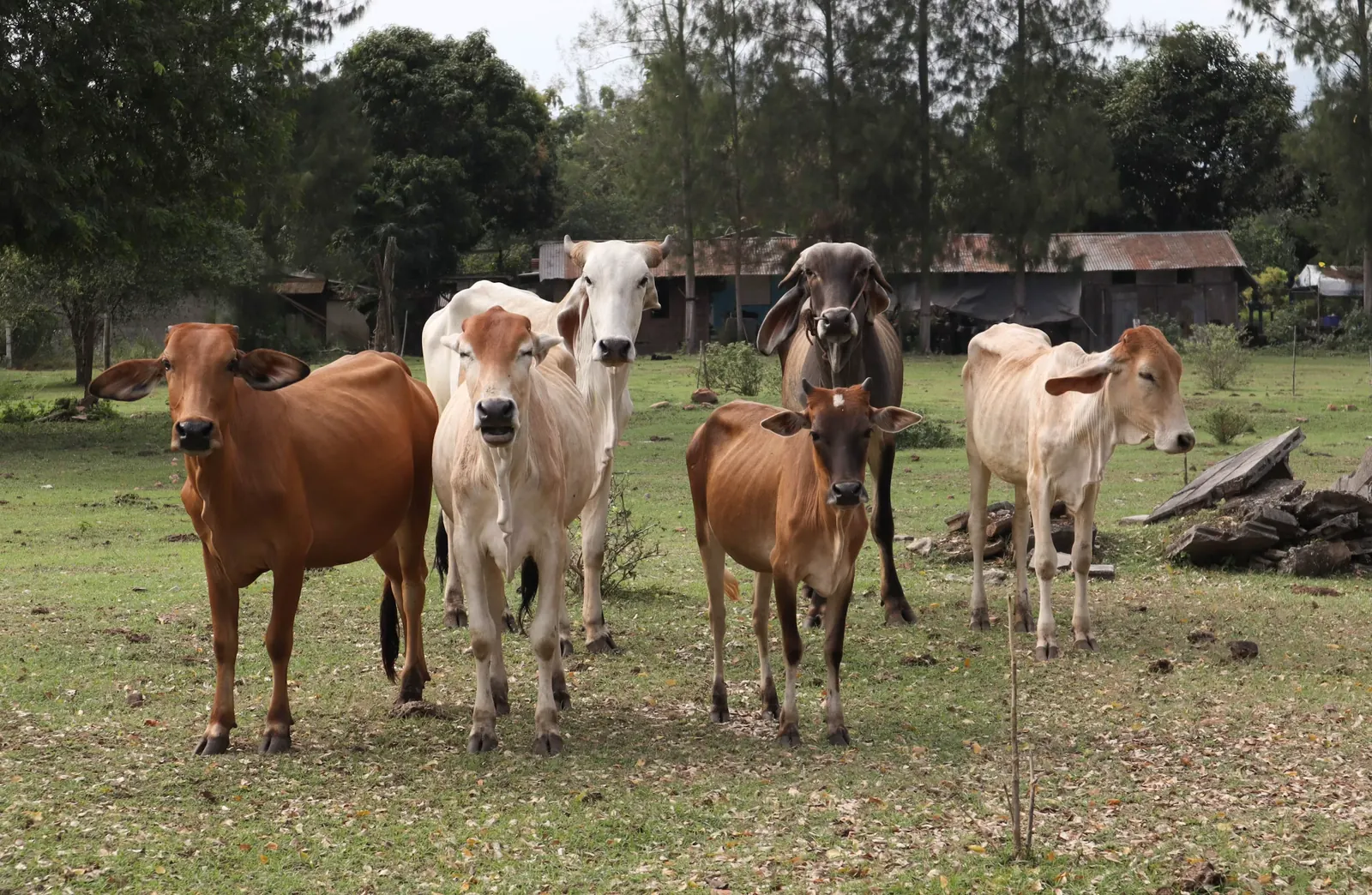
For Nelore cows, body condition at breeding is one of the strongest levers you have, and the data is striking. In Bos indicus cows, those that calved with a body condition score of 5.0 or higher on the 1 to 9 scale reached 54.8 percent pregnancy to FTAI, against just 34.2 percent for cows below 5.0. That is a 20-point swing from body condition alone.
Direction matters as much as the score. Cows gaining or maintaining condition through the protocol reached 50.0 and 47.5 percent, while cows losing condition dropped to 36.0 percent. A cow gaining condition beats a fatter cow that is losing it.
What to do: score body condition before you enroll cows in the protocol, not after. Flag cows below a BCS of 5.0 and manage them separately. Keep the herd on a stable or rising plane of nutrition through the breeding window. Sources: Livestock Science (Bos indicus BCS study), Animal Reproduction Science.
3. Protocol timing that drifted
FTAI works because every step lands in a tight window. The implant, the injections, the insemination itself. When the schedule slips by hours because of labor, weather, or handling delays, the synchronization loosens. Cows ovulate off-window and the semen is no longer there at the right moment.
In large batch inseminations across a September to December season, small drift adds up fast. A crew running behind on a hot afternoon will move faster and lose consistency at the same time.
What to do: audit your actual timing against the protocol on paper. Not what was planned, what happened. Small consistent drift across a large group costs more pregnancies than one big mistake on a few animals.
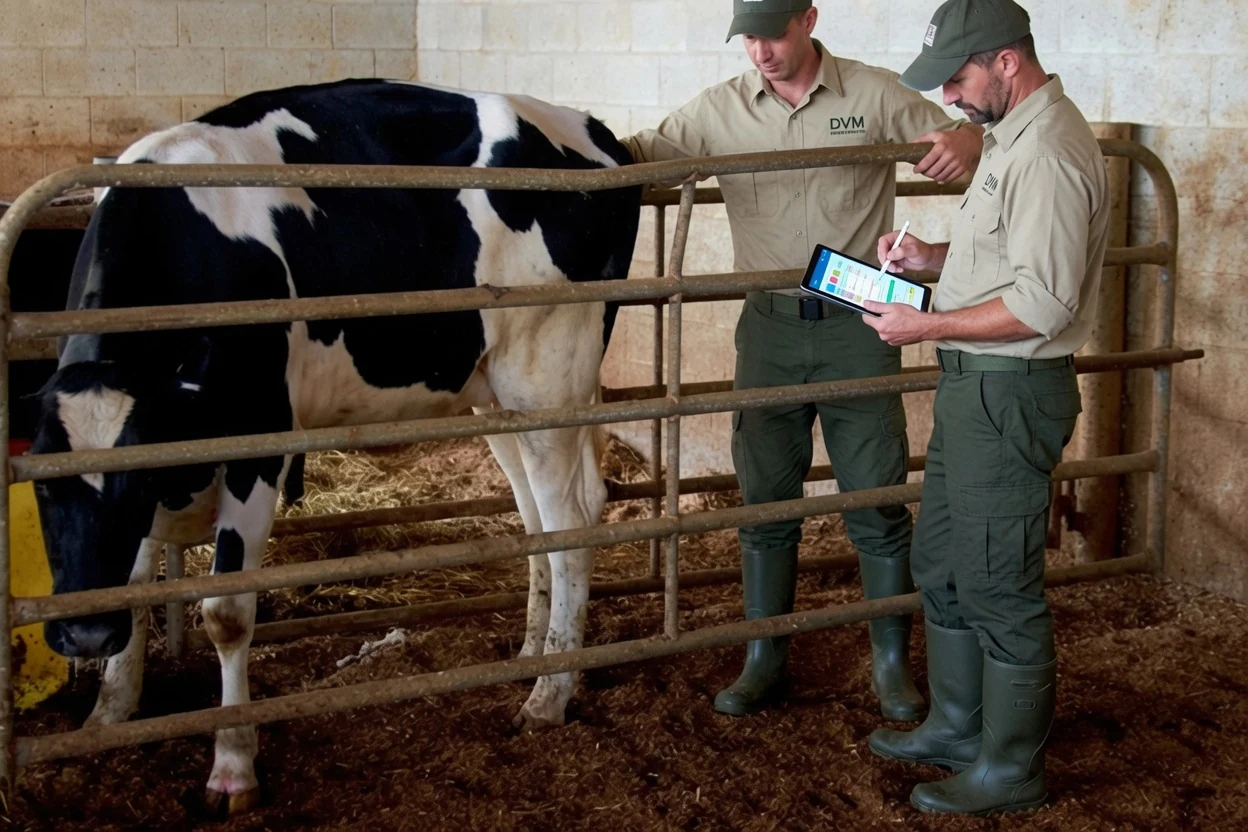
4. Semen handling between the tank and the cow
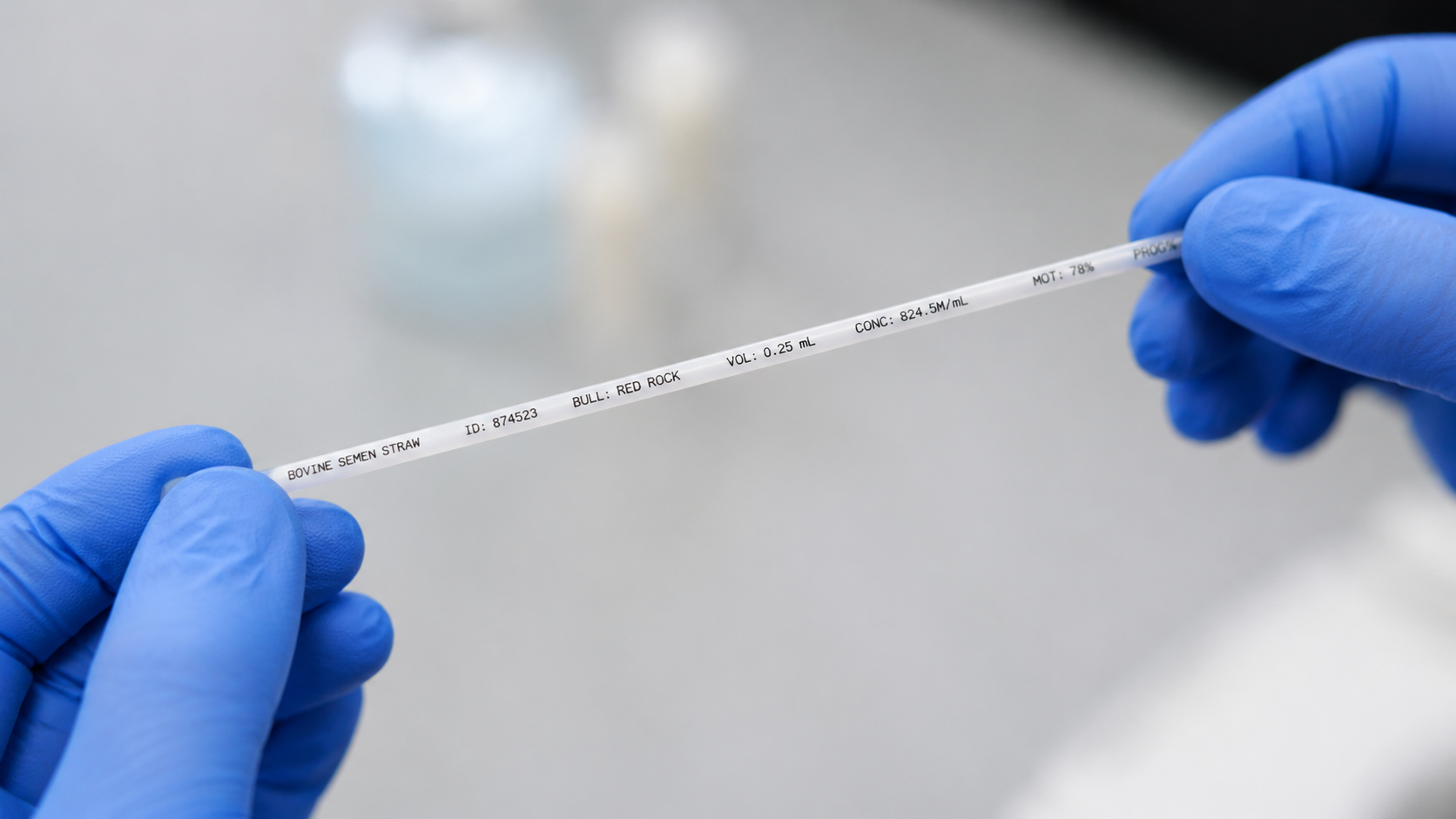
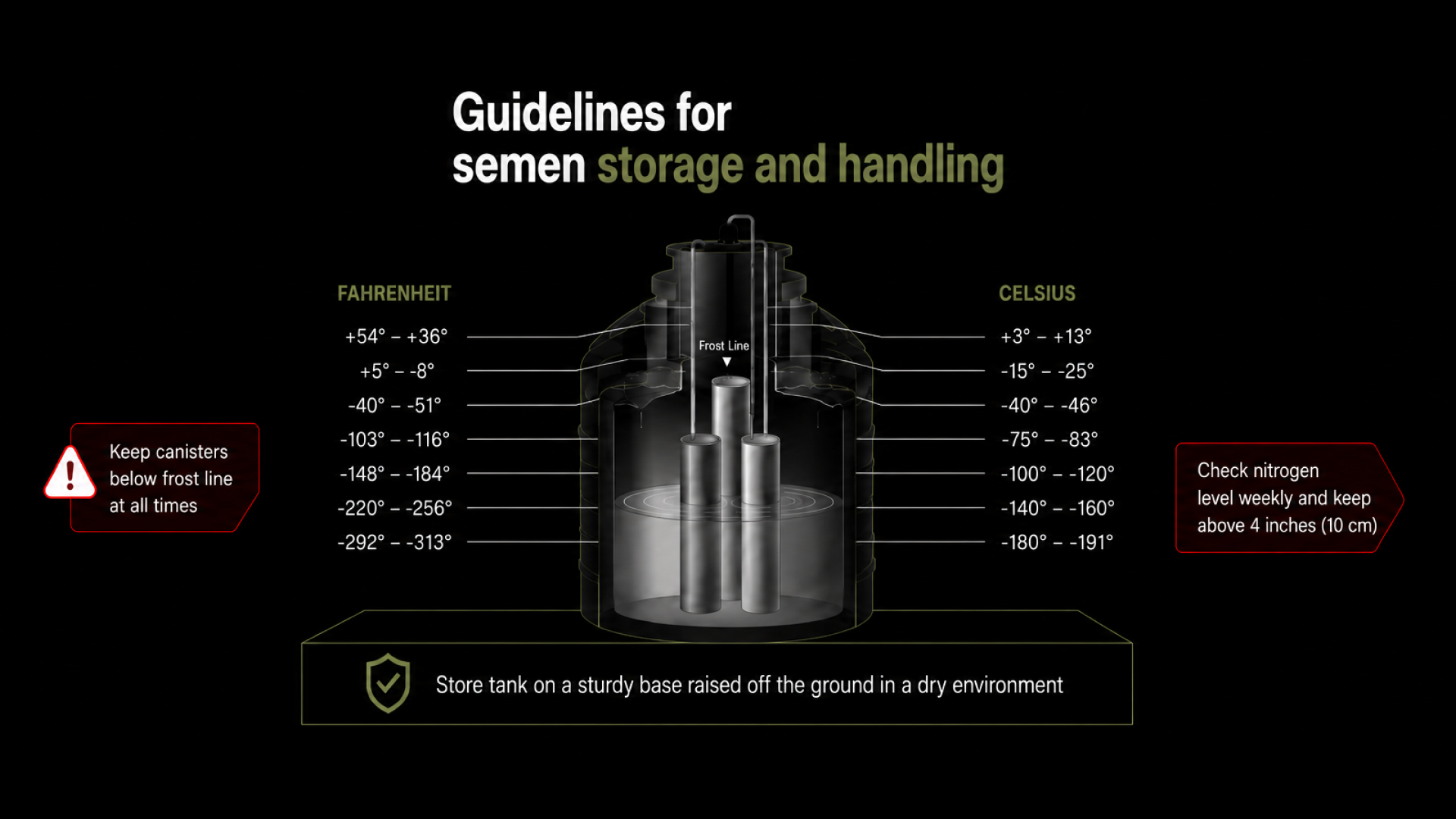
This is the leak almost nobody measures. The dose left the central with a good number on its certificate. Then it traveled, sat in a botijao that may have warmed during straw transfers, got thawed at the wrong temperature or for the wrong time, and waited too long between thaw and deposit. Every one of those steps can drop motility before a single sperm reaches the cow.
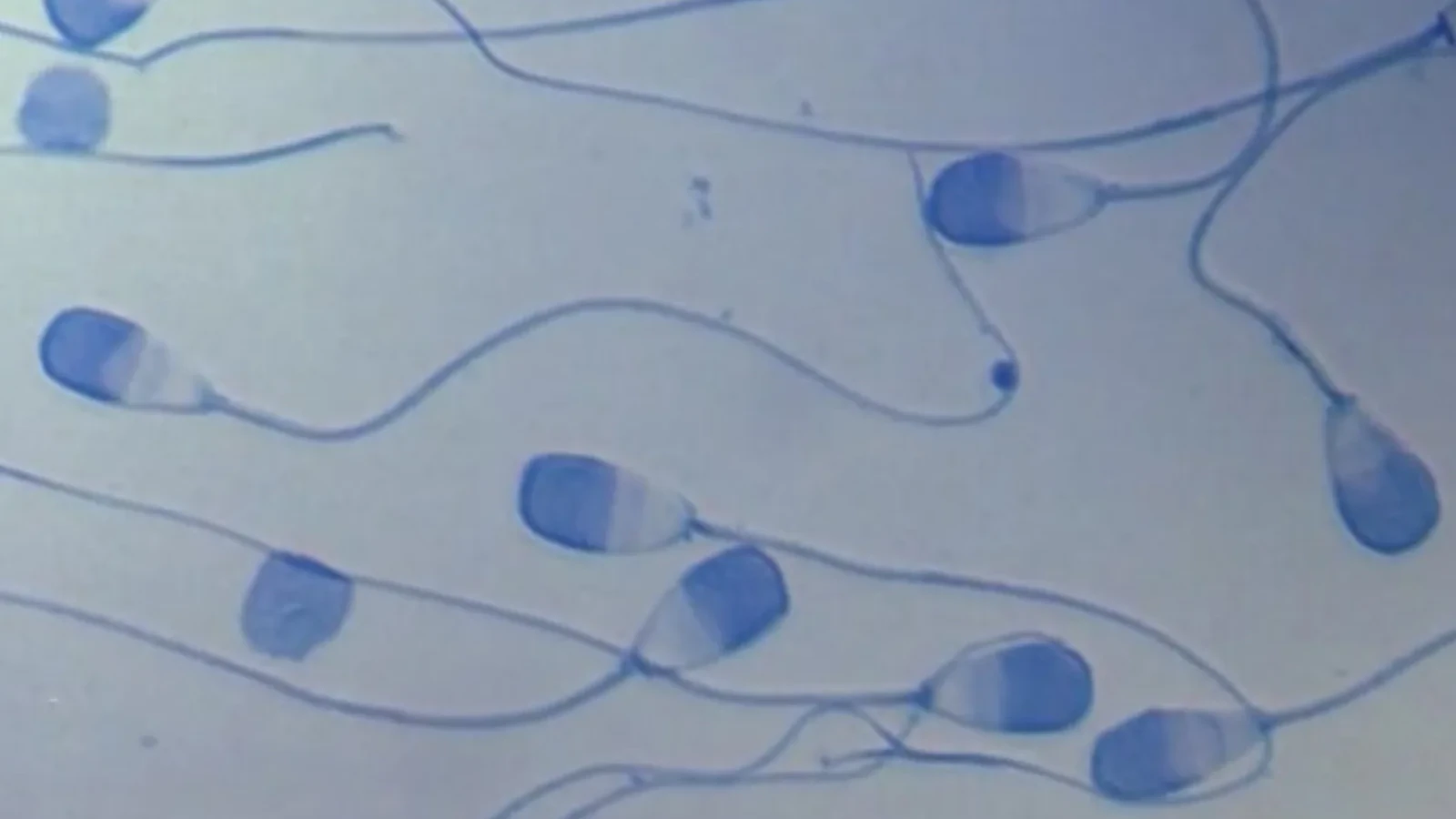
The research is clear on how fast this happens. The optimal thaw is 37 degrees Celsius for 30 seconds, and quality falls with time after that. In one CASA study, progressive motility dropped from about 43 percent at 30 minutes post-thaw to about 32 percent at 2 hours. Doses should be used within about 30 minutes of thawing. A botijao that ran warm, a thaw done by hand or in cool water, or straws sitting too long all cost motility you never see.
Think about it the way a technician does. Bull 47 gave a low conception season. Was it bull 47, or was it the thaw water that ran cool that morning? Without a number at the point of use, you cannot tell the difference. You just blame the bull and move on, and the real problem repeats next season.
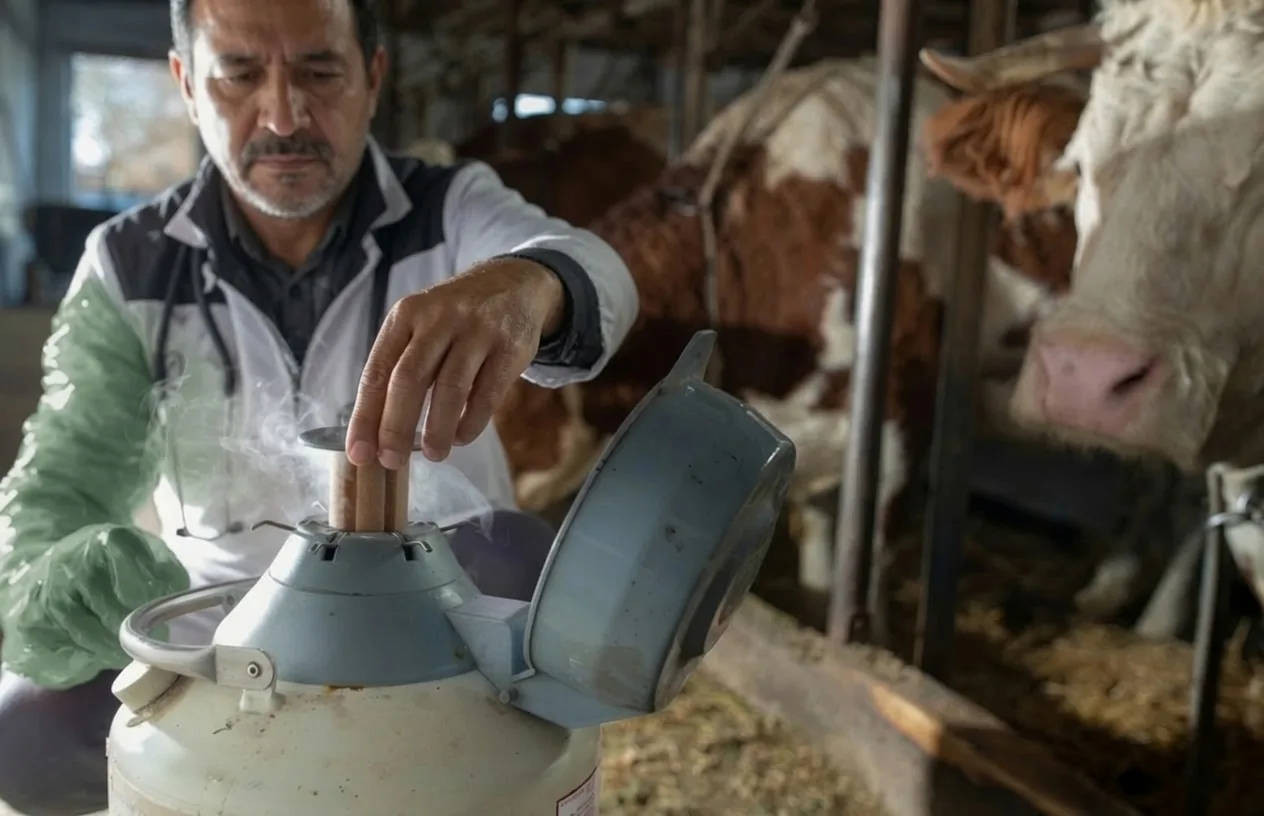
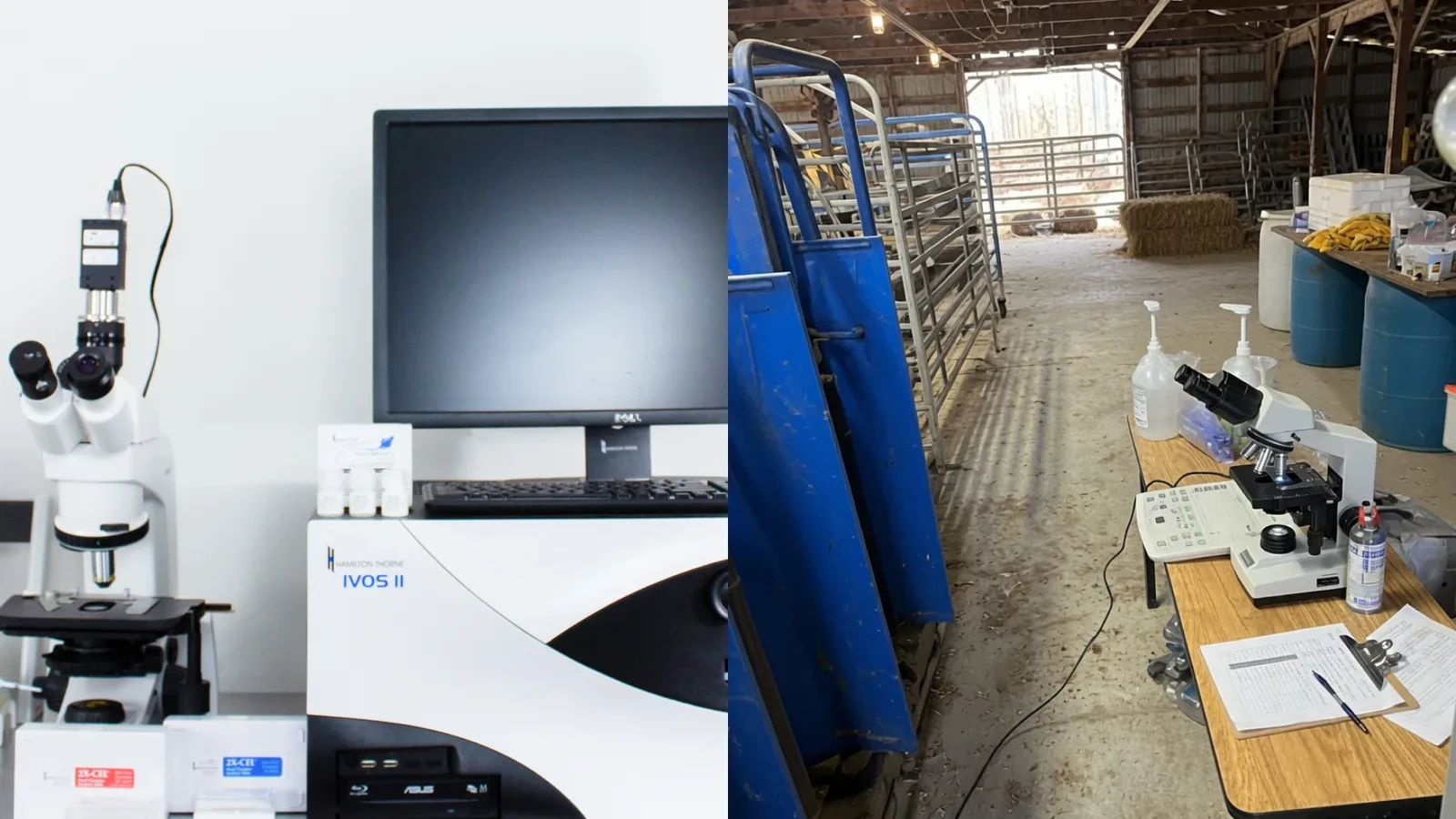
What to do: standardize your thaw protocol and check it. 37 degrees, 30 seconds, used within 30 minutes. This is exactly the gap a field motility check closes. Reading motility on the farm, right before you load the gun, tells you whether the dose that is about to go into the cow is still good. It separates a bull problem from a handling problem, which are fixed in completely different ways. Sources: Animals (thawing and CASA motility), Animal review on semen handling.
5. Insemination technique and deposition site
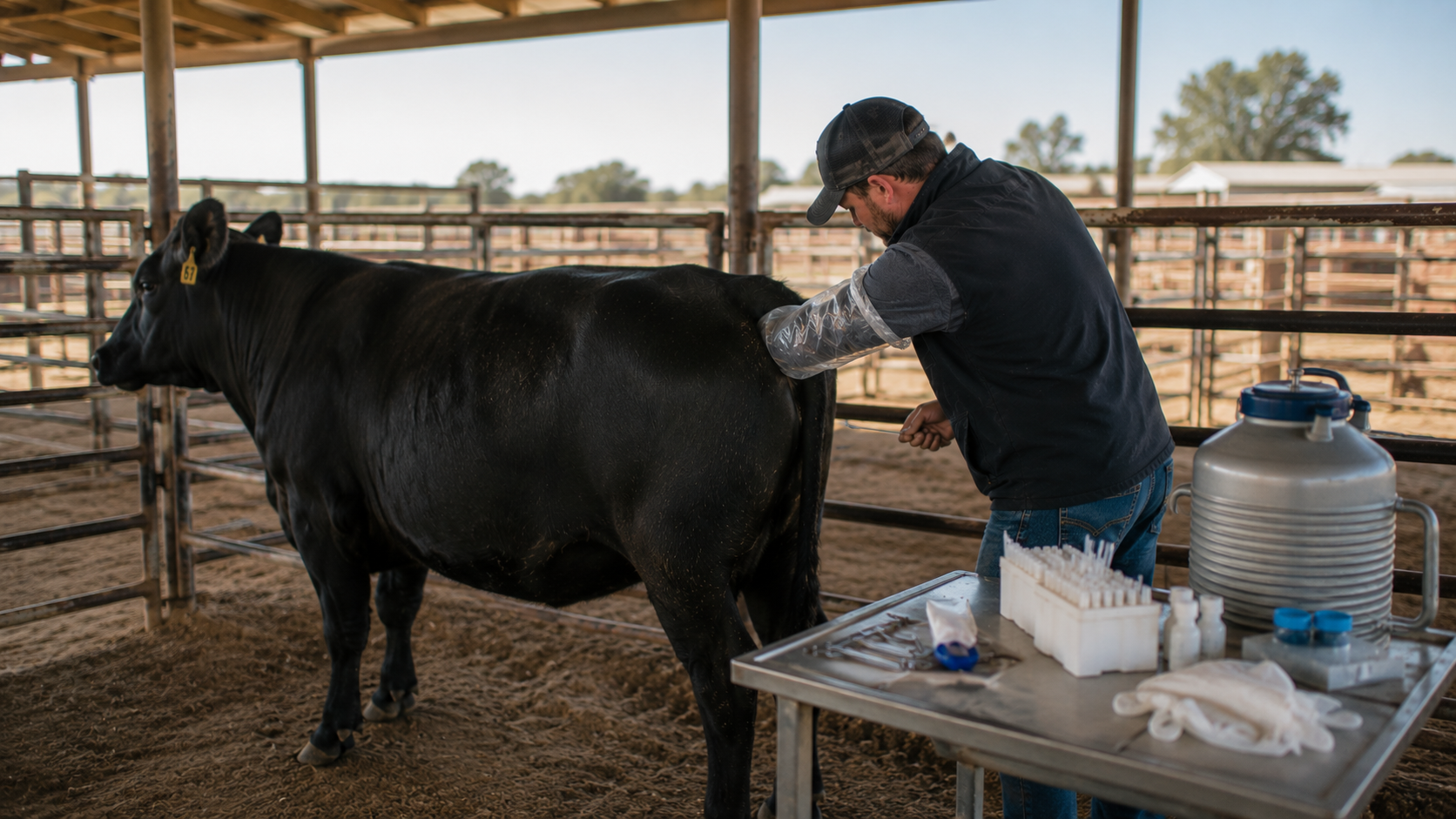
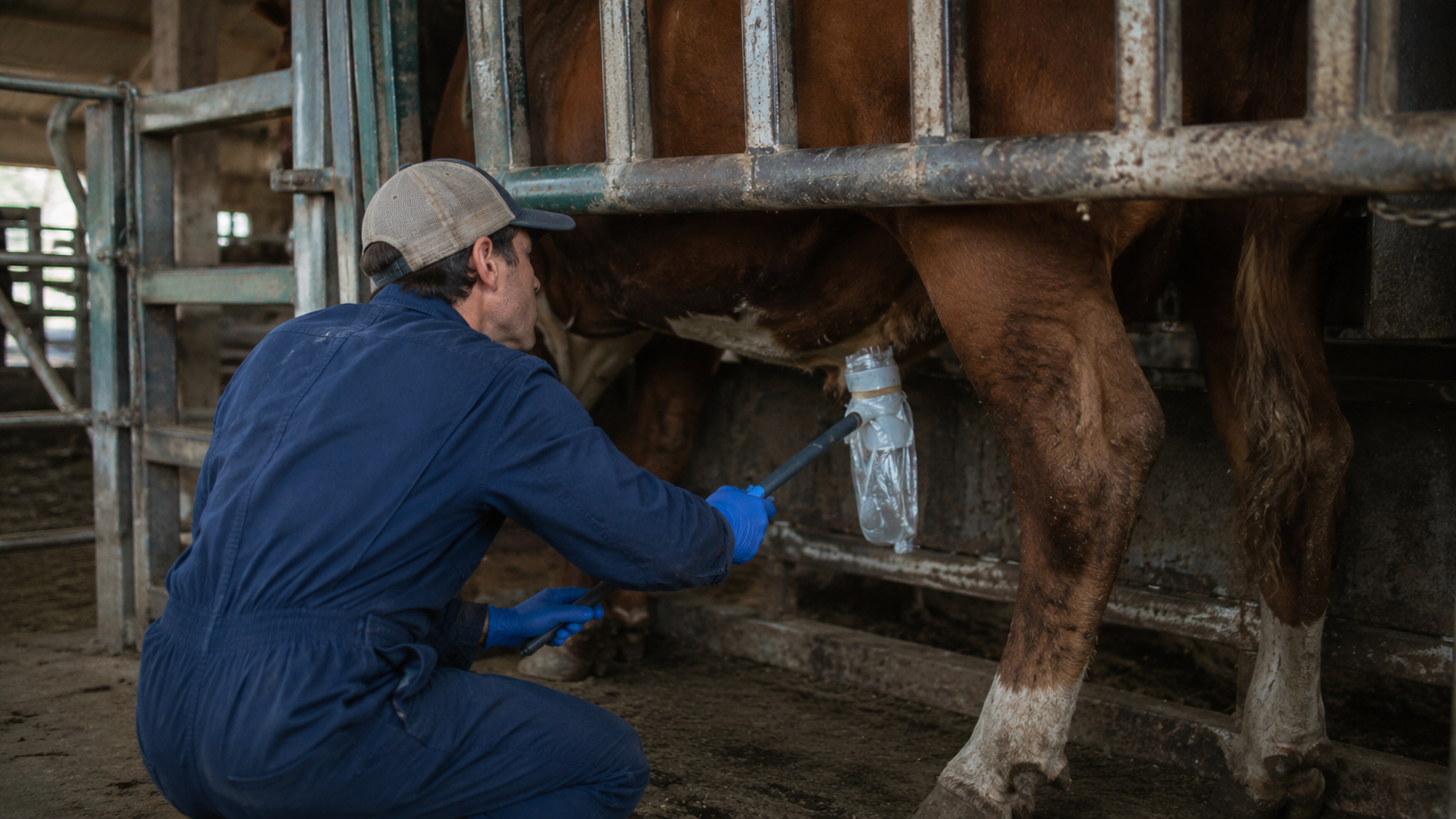
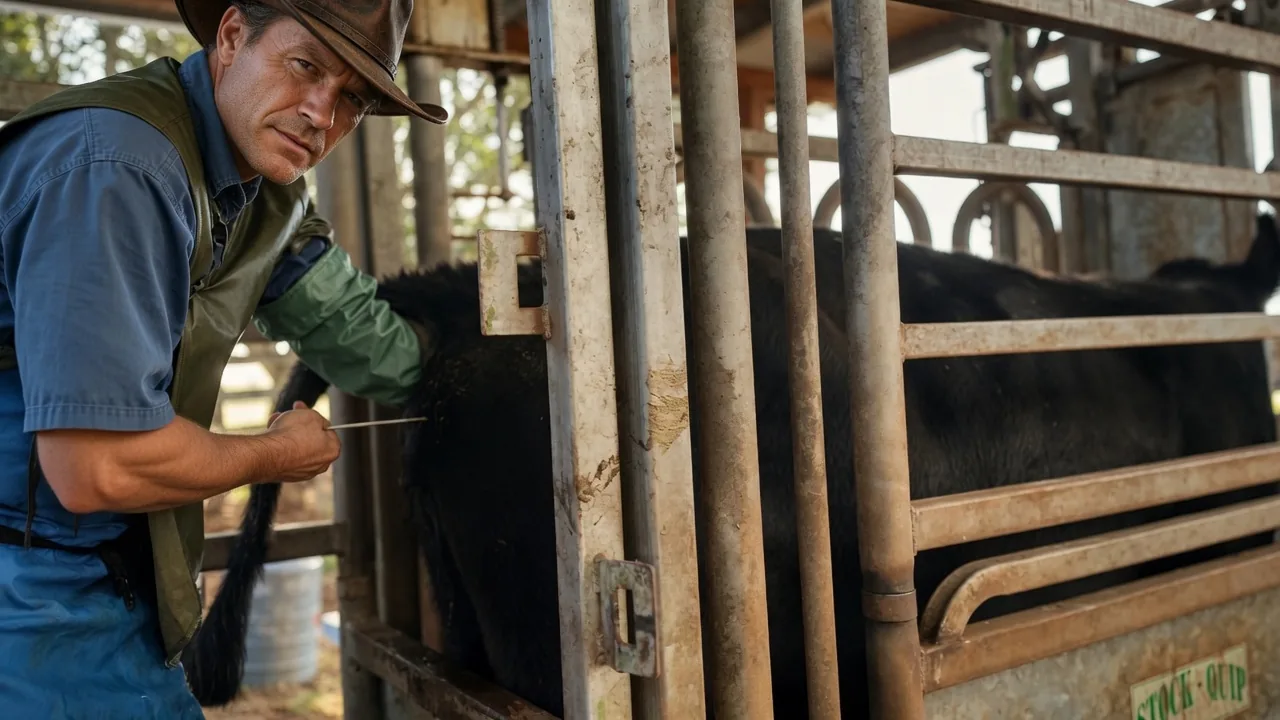
The best dose in the world fails if it is deposited in the wrong place. Deposition too far forward, trauma during passage, or rushing the last step all cost pregnancies. Technique varies between technicians and even for the same technician across a long, tiring day in the corral.
What to do: retraining and spot checks matter more than most people admit. On high-volume days, fatigue is real. Rotate, rest, and review technique periodically rather than assuming it stays constant across a full season.
6. Semen quality that was never verified in the field
A certificate from the central tells you the dose was good when it was frozen. It does not tell you the dose is good today, in your tank, on your farm. Between those two points, quality can only go down, never up. Most operations never measure it again after purchase. They trust the label and hope.
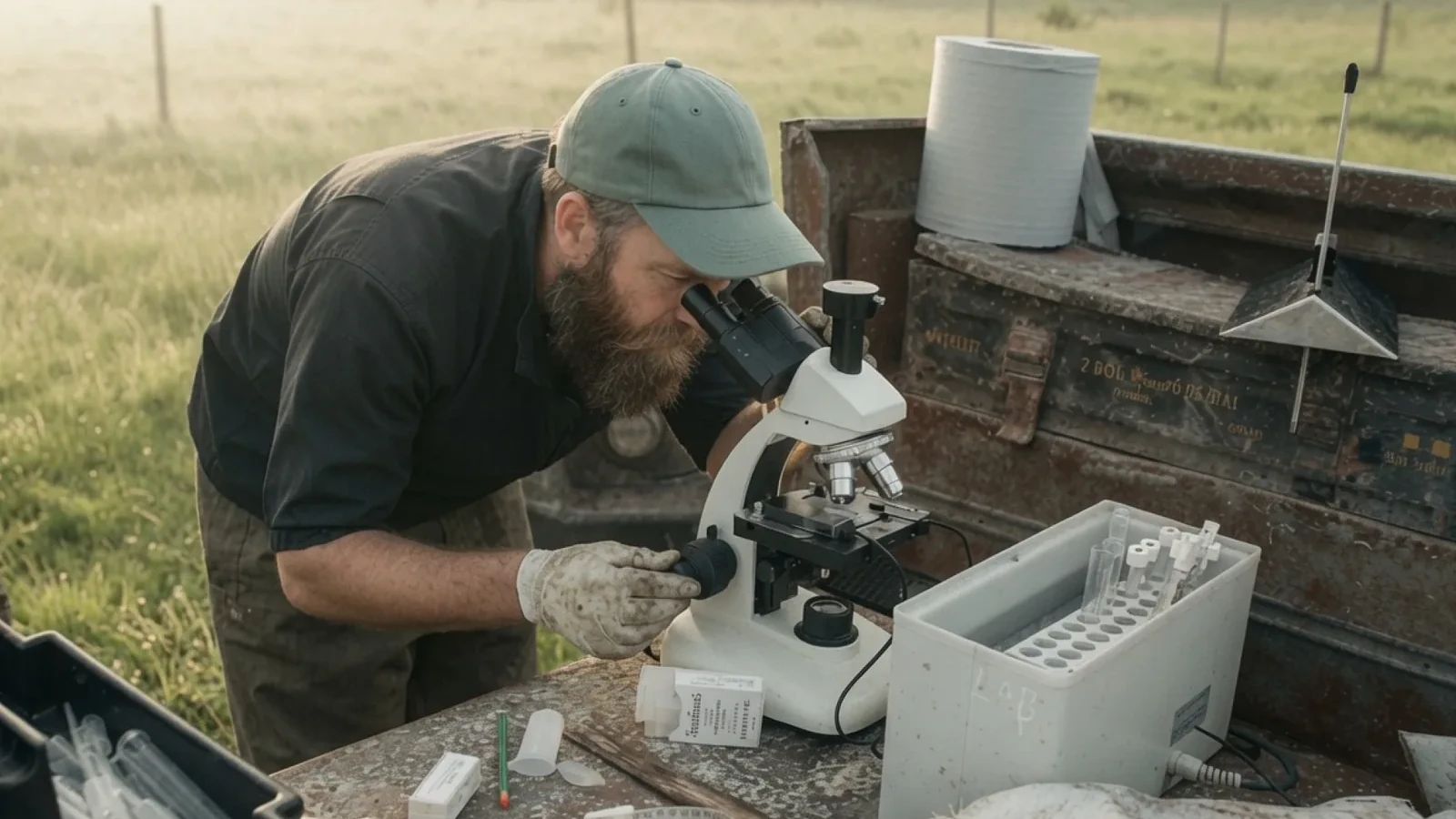
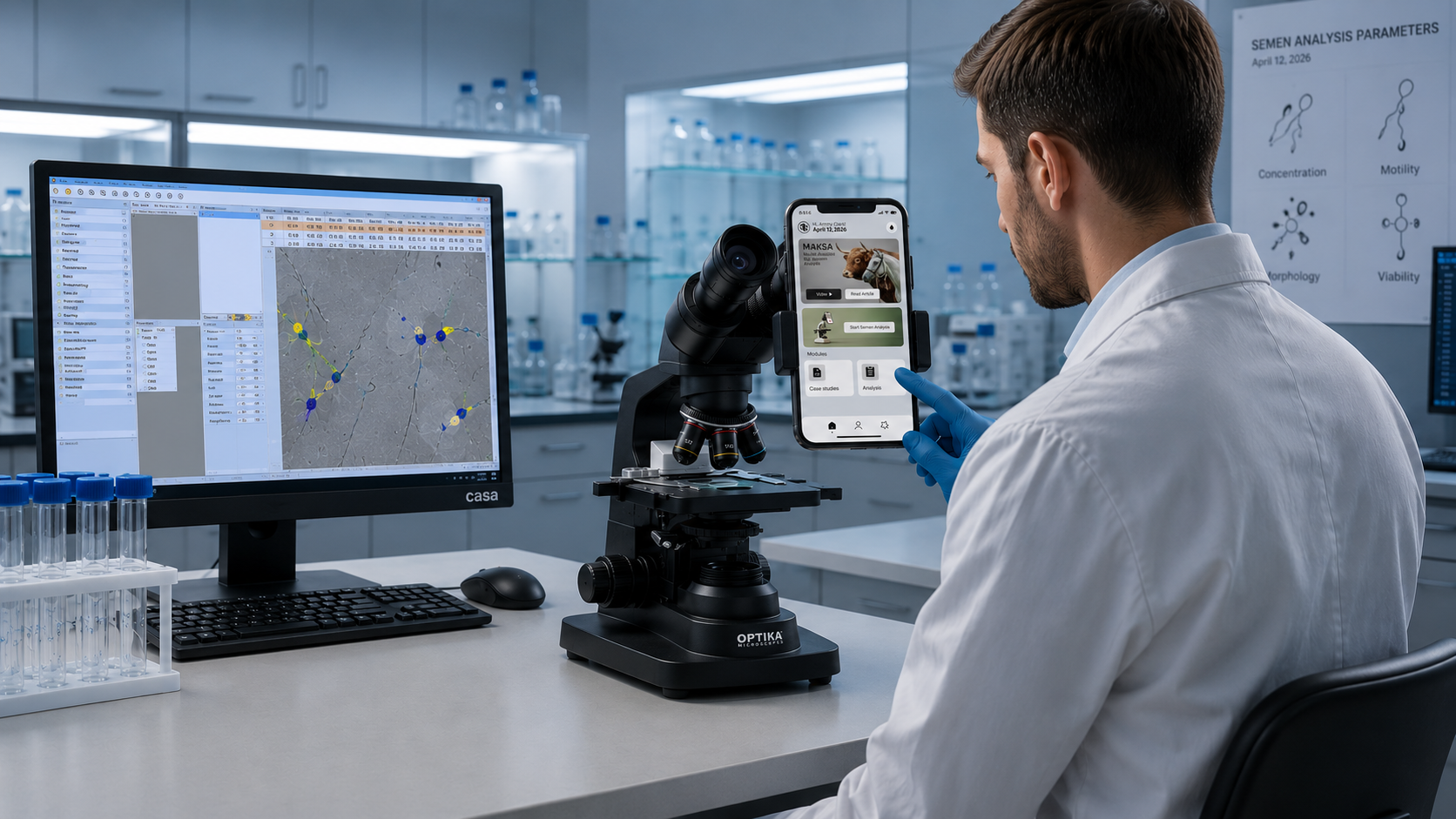
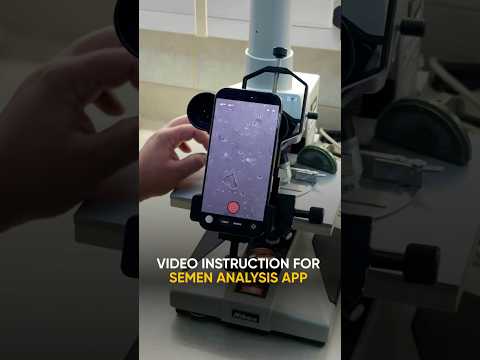
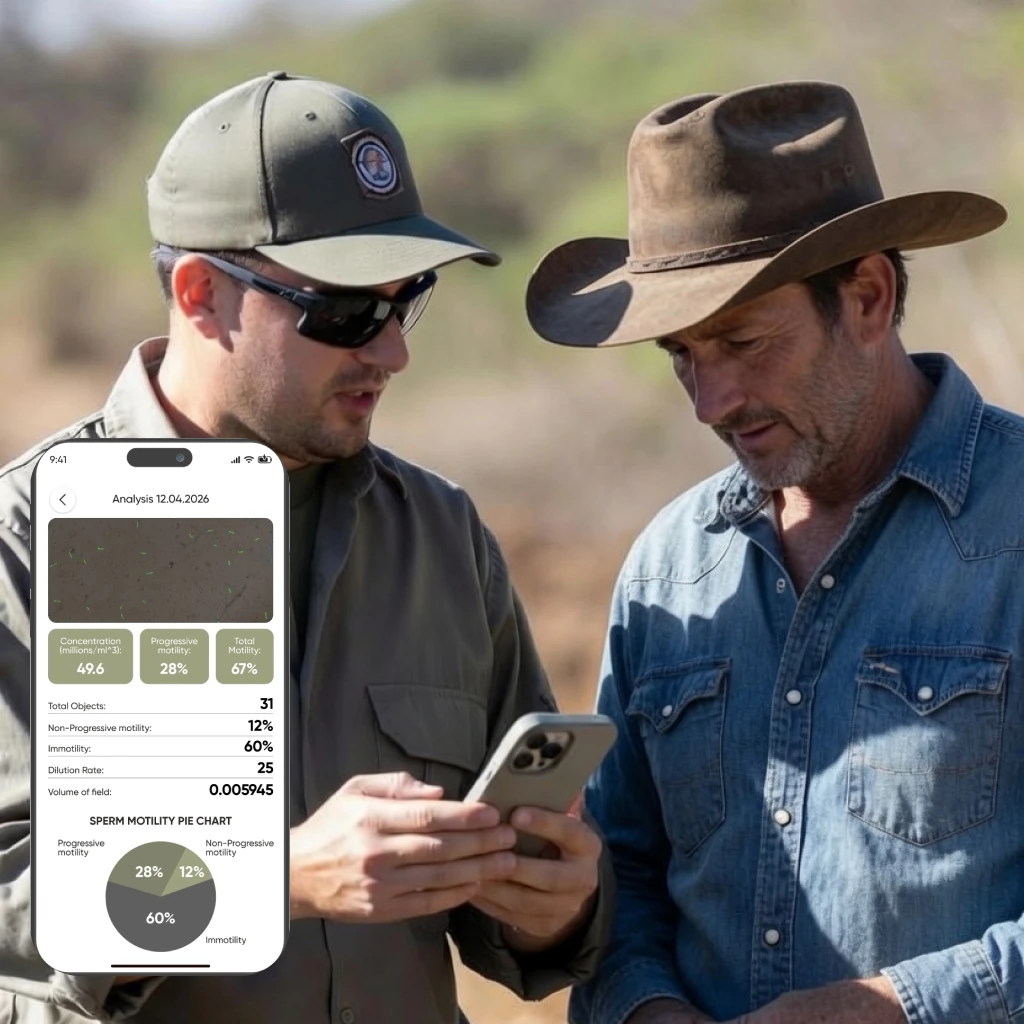
What to do: verify motility at the point of use. This is where MAKSA fits. It reads motility and progressive motility from a microscope and a smartphone, right there on the farm, at about a dollar per test. It is validated at r greater than 0.90 against laboratory CASA equipment across five species: bovine, equine, ovine, caprine, and camel. A phone mount at the eyepiece gives steadier footage and better results than holding the phone by hand. It will not replace your lab, and it is honest about that. Concentration measurement is still in development, so it is not presented as a finished feature. What it does today is turn the field guess into a field number.
7. Recording gaps that hide the real cause
When conception drops, the first question is why. If your records cannot link a result back to the bull, the batch, the technician, the day, and the conditions, you cannot answer that question. You are left guessing, and next season you make the same mistakes because you never isolated the cause.
What to do: record at the level of the individual decision. Which bull, which batch, which technician, which thaw, which cow. When you can slice a bad result by those factors, the hidden cause usually stops being hidden.
The pattern behind all seven
Notice what most of these share. Heat, condition, timing, handling, technique, unverified quality, poor records. They are all things that happen quietly, that no single number captures, and that you only catch if you measure at the point where the decision is made.
FTAI is a system. It fails at the weakest measured point, and the weakest measured point is usually the field, because that is where measurement stops. The central measures. The lab measures. Then the dose goes to the farm and measurement ends, right at the moment it matters most.

Frequently asked questions
What is a good FTAI conception rate in Nelore beef cattle? It varies by region, nutrition, and management, but many well-run Brazilian operations target 45 to 55 percent pregnancy per FTAI service in Bos indicus cows. Some batches hit higher under good conditions and tight protocols. What matters more than a single benchmark is your own trend. A rate that drops 8 to 10 points from your normal season is a signal that something in the chain broke, and the seven causes above are where to look first.
Why did my conception rate drop when I changed nothing? Because the causes are rarely visible on protocol day. Heat stress two weeks earlier, a botijao that warmed during a transfer, a thaw that ran a few degrees off, or slow drift in your timing all leave no obvious trace. You did the same steps, but one input quietly changed. That is why measuring at the point of use matters. It catches the change you cannot see.
Is the bull to blame when conception is low? Often it is not. A dose that certified well at the central can lose motility in transport, storage, or thawing before it ever reaches the cow. Progressive motility can fall by roughly a quarter within two hours of thawing. Blaming the bull is easy, but if the real problem is handling, changing bulls fixes nothing and the drop repeats. A field motility check right before insemination is the fastest way to tell a bull problem from a handling problem.
How much does body condition affect pregnancy in Nelore cows? A lot. In Bos indicus cows, calving at a body condition score of 5.0 or higher was linked to 54.8 percent pregnancy to FTAI, against 34.2 percent below 5.0. Cows losing condition through the protocol fell to 36.0 percent. Body condition at breeding is one of the strongest and cheapest levers you have.
Can I check semen quality on the farm without a lab? Yes. A field tool like MAKSA reads motility and progressive motility from a microscope and a smartphone, on the farm, in minutes. It is validated at r greater than 0.90 against laboratory CASA equipment. It does not replace a certification lab, and concentration is still in development, but for a quick point-of-use motility check before you load the gun, it gives you a number instead of a guess.
When is the worst time for heat stress to hurt conception? The window that matters most is roughly 21 to 1 days before breeding, not insemination day itself. Heat stress in that period harms the developing oocyte before it ever ovulates. Managing shade, water, and timing across the whole pre-protocol window, not just on the day, is what protects the rate.
Get the full diagnostic guide
This article covers the seven causes at a level you can act on. The full field version goes deeper. It includes a step-by-step diagnostic you can run when a batch comes back with low conception, field protocols for thaw and handling, a body condition and timing checklist built for Nelore herds, and a simple worksheet to isolate a bull problem from a handling problem.
Enter your email to get the full diagnostic guide, with the field protocols, at avateit.com. Free, built for reproduction vets and IATF technicians, and written to be used chute-side, not filed away.